MUSIC PERFORMANCE
BASS
TURN YOUR PASSION FOR MUSIC INTO A CAREER
Enter your info below for program options, scholarships, and next steps, or call us at 800-255-7529.
Lead Gen 2019 - Horizontal with Program
"*" indicates required fields
i Program Overview
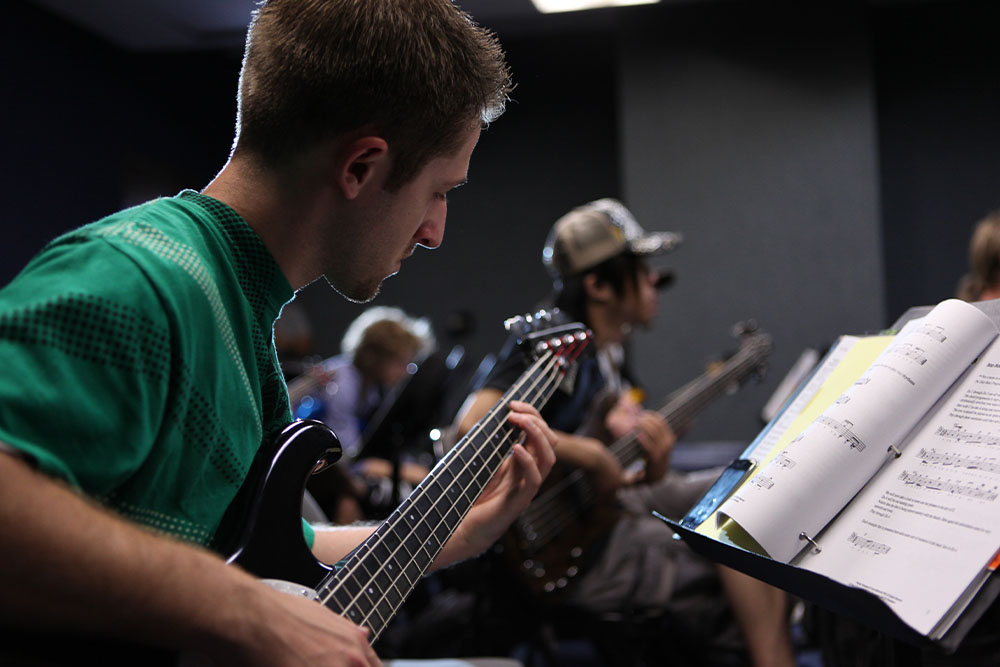
The Bass Program at Musicians Institute is one of our foundational performance programs. Since its inception, the goal of the MI Bass program has been to train bassists with the practical, hands-on skills that will allow them to thrive in diverse musical environments.
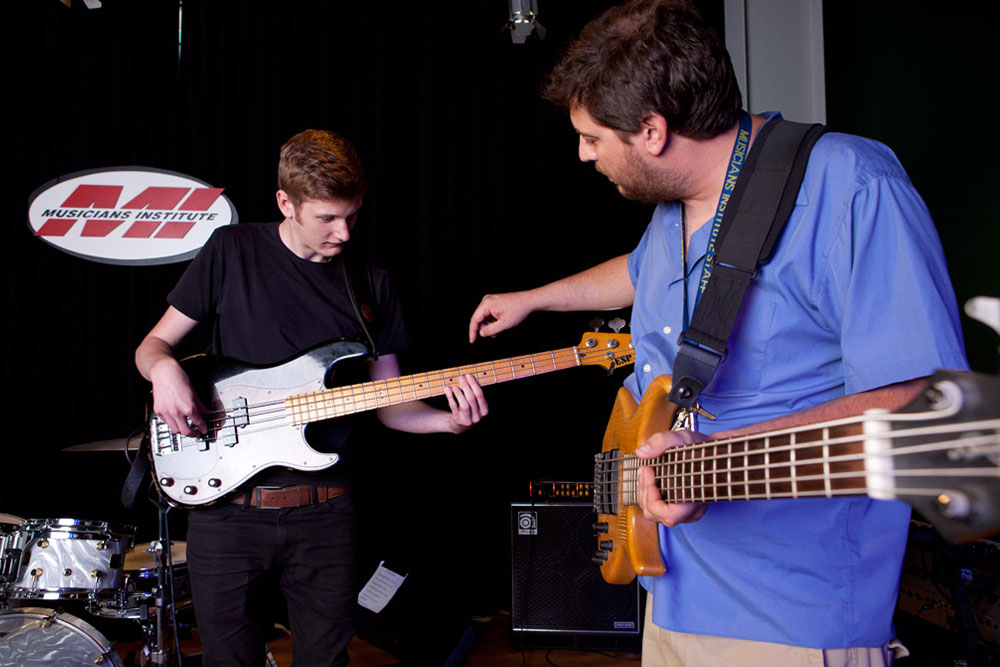
How do we accomplish this? First, we have a world-class staff of bass faculty, who are all still working in the industry today. This means that students are being taught and getting guidance that is most relevant to being a successful, modern working musician.
Second, our bass program offers a wide variety of genres and styles to study. These classes will equip you with the bass foundation to handle any style of music, from funk, rock, jazz, R&b, and more!
We believe that training in these diverse styles and professional environments allows students to be ready for any job after graduation, whether it’s as a studio session player, a bass teacher, a touring musician, an artist, and beyond!
At MI, you aren’t just training to be a bassist–you’re training to be a versatile, adaptable musician who is ready to seize any opportunity that comes your way. Whether you aspire to be a solo artist, a touring musician, or a behind-the-scenes session player, our Bass Program equips you with the skills, connections, and experience. Enroll today to turn those dreams into reality.
CURRICULUM HIGHLIGHTS
BASS-011 – Bass Technique & Fretboard
BASS-370 – Synth Bass
BASS-014 – Bass Gear Maintenance & Mastery
DEGREE BY THE NUMBERS
From 10 weeks to 4 years, there’s an option for you!
MASTER OF MUSIC – 4 Quarters
BACHELOR OF ARTS – 12 Quarters
ASSOCIATE OF ARTS – 6 Quarters
CERTIFICATE – 4 Quarters
MI SELECT (Individual Courses) – 10 Weeks
i Program Overview
The Bass Program at Musicians Institute is one of our foundational performance programs. Since its inception, the goal of the MI Bass program has been to train bassists with the practical, hands-on skills that will allow them to thrive in diverse musical environments.
How do we accomplish this? First, we have a world-class staff of bass faculty, who are all still working in the industry today. This means that students are being taught and getting guidance that is most relevant to being a successful, modern working musician.
Second, our bass program offers a wide variety of genres and styles to study. These classes will equip you to handle any style of music, from funk, rock, jazz, R&b, and more!
We believe that training in these diverse styles and professional environments allows students to be ready for any job after graduation, whether it’s as a studio session player, a bass teacher, a touring musician, an artist, and beyond!
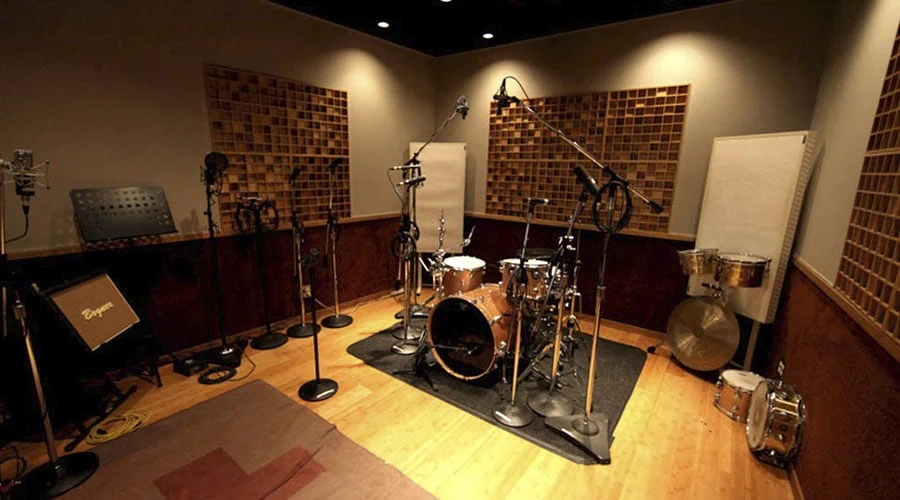
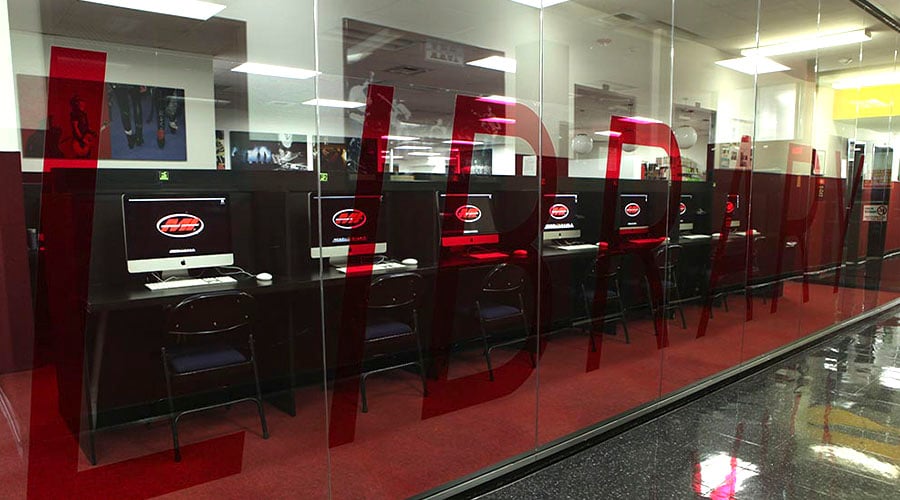
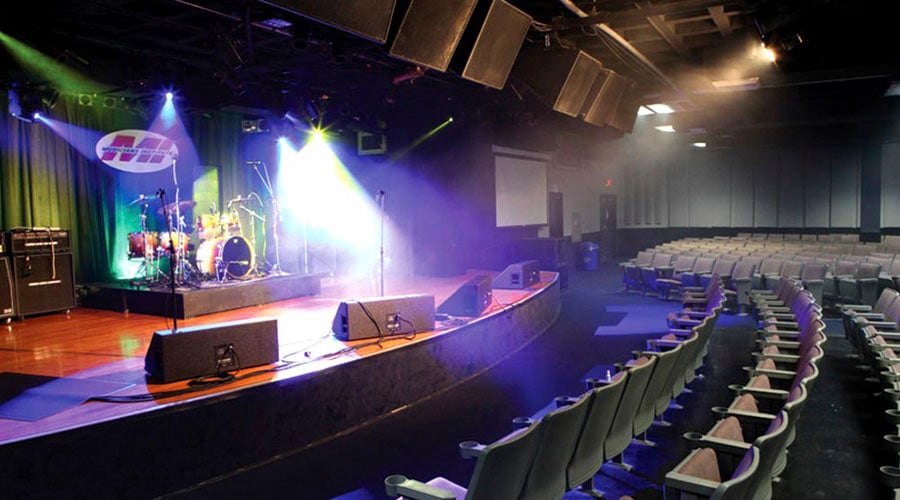
It is this firsthand, immersive experience in our classrooms and facilities that really set the stage for success in the music industry after MI.
CURRICULUM HIGHLIGHTS
BASS-011 – Bass Technique & Fretboard
BASS-370 – Synth Bass
BASS-014 – Bass Gear Maintenance & Mastery
DEGREE BY THE NUMBERS
From 10 weeks to 4 years, there’s an option for you!
MASTER OF MUSIC – 4 Quarters
BACHELOR OF ARTS – 12 Quarters
ASSOCIATE OF ARTS – 6 Quarters
CERTIFICATE – 4 Quarters
MI SELECT (Individual Courses) – 10 Weeks
i The MI Difference
i The MI Difference

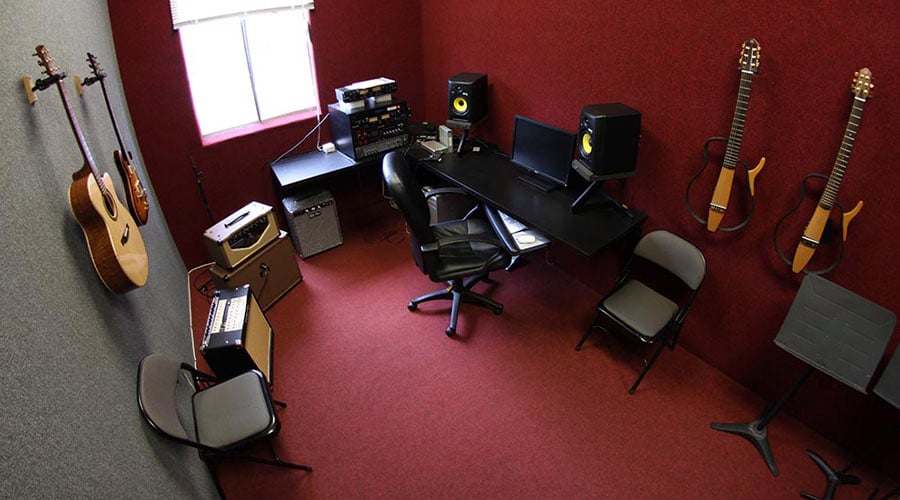
i Facilities
i Facilities
i Faculty
Musicians Institute hosts a highly skilled faculty with extensive experience in the world of contemporary music.
i Faculty
Musicians Institute hosts a highly skilled faculty with extensive experience in the world of contemporary music.
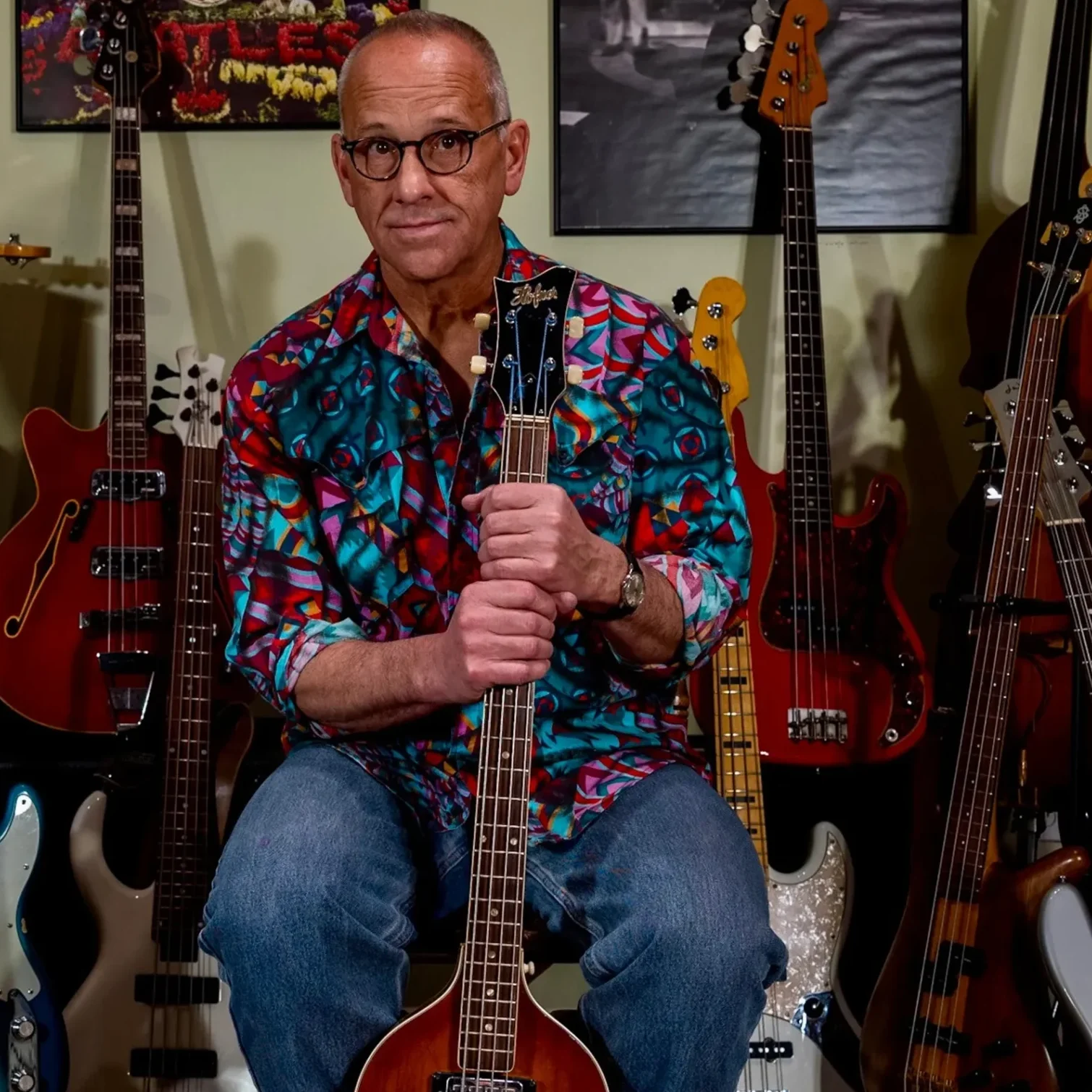
Alexis Skljarevski
CROSBY / STILLS & NASH / JACKSON BROWNE / DWEEZIL & AHMET ZAPPA / CAROLE KING
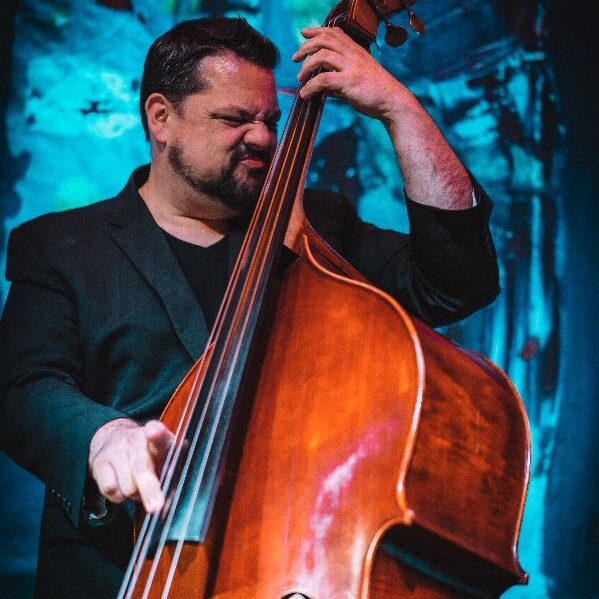
Lyman Medeiros
STEVE TYRELL / DIANE SCHUUR / ALEX ACUNA / ERIC MARIENTHAL / MARY CLAYTON
George Lopez
Tito Puente / Celia Cruz / Poncho Sanchez / Norman Brown
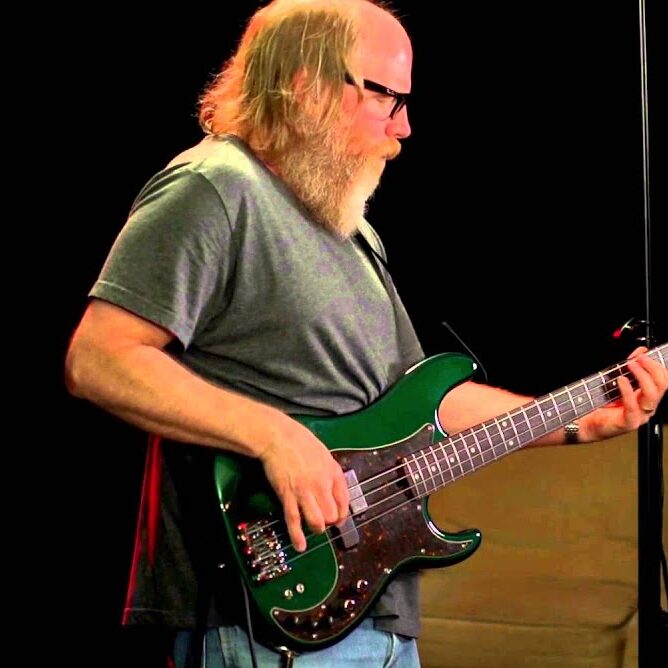
Michael Mennell
Tom Jones / Kenny Loggins / Taylor Hicks / Jimmy Buffett
Alexis Skljarevski
CROSBY / STILLS & NASH / JACKSON BROWNE / DWEEZIL & AHMET ZAPPA / CAROLE KING
Lyman Medeiros
STEVE TYRELL / DIANE SCHUUR / ALEX ACUNA / ERIC MARIENTHAL / MARY CLAYTON
George Lopez
Tito Puente / Celia Cruz / Poncho Sanchez / Norman Brown
Michael Mennell
Tom Jones / Kenny Loggins / Taylor Hicks / Jimmy Buffett
i Alumni Success Stories
i Alumni Success Stories
International Students
i CAREER OPTIONS
i CAREER OPTIONS
“What can I do with a degree in Bass Performance?”
Following in the non-traditional spirit of MI, graduates with a degree in Bass have found careers in diverse settings across the music industry. We strive to prepare graduates for any opportunities that arise in music, like:
> PERFORMER
As a bassist, you can perform as a solo artist or as part of a band.
> ACCOMPANIST (STUDIO OR LIVE)
Accompanists typically play instruments like piano or guitar and support and collaborate with vocalists, dancers, theater performers, and other creative artists.
> ARRANGER
An arranger takes compositions and alters the melody, harmony, and tempos to change the tone and style of the original piece.
> SONGWRITER
Songwriters specialize in writing the melodies, harmonies and lyrical elements for a specific instrument or part of a song. They can be the artist behind the song, or write for other artists to use.
> MUSIC SUPERVISOR
The music supervisor is the head of the music department on a film or television show, overseeing song placement and licensing music for the production.
> TRANSCRIBER
Transcribers might work with a composer to notate the notes, arrangement, and pitch of a previously unwritten song or score.
“What can I do with a degree in Bass Performance?”
Following in the non-traditional spirit of MI, graduates with a degree in Bass have found careers in diverse settings across the music industry. We strive to prepare graduates for any opportunities that arise in music, like:
> PERFORMER
As a bassist, you can perform as a solo artist or as part of a band.
> ACCOMPANIST (STUDIO OR LIVE)
Accompanists typically play instruments like piano or guitar and support and collaborate with vocalists, dancers, theater performers, and other creative artists.
> ARRANGER
An arranger takes compositions and alters the melody, harmony, and tempos to change the tone and style of the original piece.
> SONGWRITER
Songwriters specialize in writing the melodies, harmonies and lyrical elements for a specific instrument or part of a song. They can be the artist behind the song, or write for other artists to use.
> MUSIC SUPERVISOR
The music supervisor is the head of the music department on a film or television show, overseeing song placement and licensing music for the production.
> TRANSCRIBER
Transcribers might work with a composer to notate the notes, arrangement, and pitch of a previously unwritten song or score.
i Career Development
i CAREER DEVELOPMENT
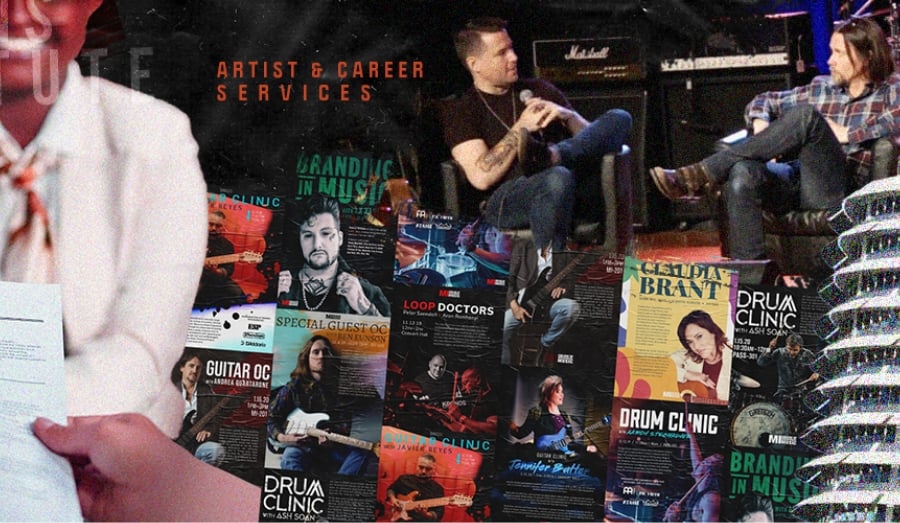
Artist & Career Services
Artist & Career Services (ACS) is an extensive resource center designed to offer students and alumni active professional & personal development to succeed in today’s competitive entertainment industry.
ACS provides help in career development like resume building, workshops, industry mentors, discounted gear, internships and more.
i SCHOLARSHIPS & FINANCIAL AID
i FINANCIAL AID
Don’t let finances get in the way of your dreams! MI has a range of scholarships and financial aid options available for incoming students of all kinds. Scholarships available to Bass students include:

MUSICIANSHIP SCHOLARSHIP
Musicianship Scholarships are available to new and current instrumental students enrolling in the Bachelor of Music, Bachelor of Composition, Associate of Arts, or Certificate in Performance Programs.
SCHECTER MICHAEL ANTHONY BASS SCHOLARSHIP
The Schecter Michael Anthony Bass Scholarship (sponsored by Schecter Guitars) was created to directly encourage and support the educational growth of bass program students at Musicians Institute at the AA or B.M. level.
Ready to start your Bass journey?
Ready to start your Bass journey?
The first step in applying to our on-ground or online program is to complete an Application for Admission, and get started with the best music college!
The first step in applying to our on-ground or online program is to complete an Application for Admission, and get started with the best music college!
i UPCOMING EVENTS
i Upcoming Events

MI ONLINE INFO SESSION
Thursday, June 11, 2026 at 4:00 PM (Pacific Time)
Meet the MI Online team as they guide you through the MIO platform, the diverse program offerings, and the steps needed to apply.

FINANCING YOUR EDUCATION
Thursday, June 18, 2026 at 4:00 PM (Pacific Time)
You’ll learn about everything from an overview of the financial aid process, to key documents you’ll encounter, and different funding sources that can help you manage costs.
VIRTUAL OPEN HOUSE
Saturday, July 18, 2026 at 10:00 AM (Pacific Time)
Find out for yourself why thousands of musicians from all over the world have made MI the launching pad for their careers.