MUSIC PERFORMANCE
KEYBOARD
TURN YOUR PASSION FOR MUSIC INTO A CAREER
Enter your info below for program options, scholarships, and next steps, or call us at 800-255-7529.
Lead Gen 2019 - Horizontal with Program
"*" indicates required fields
i Program Overview
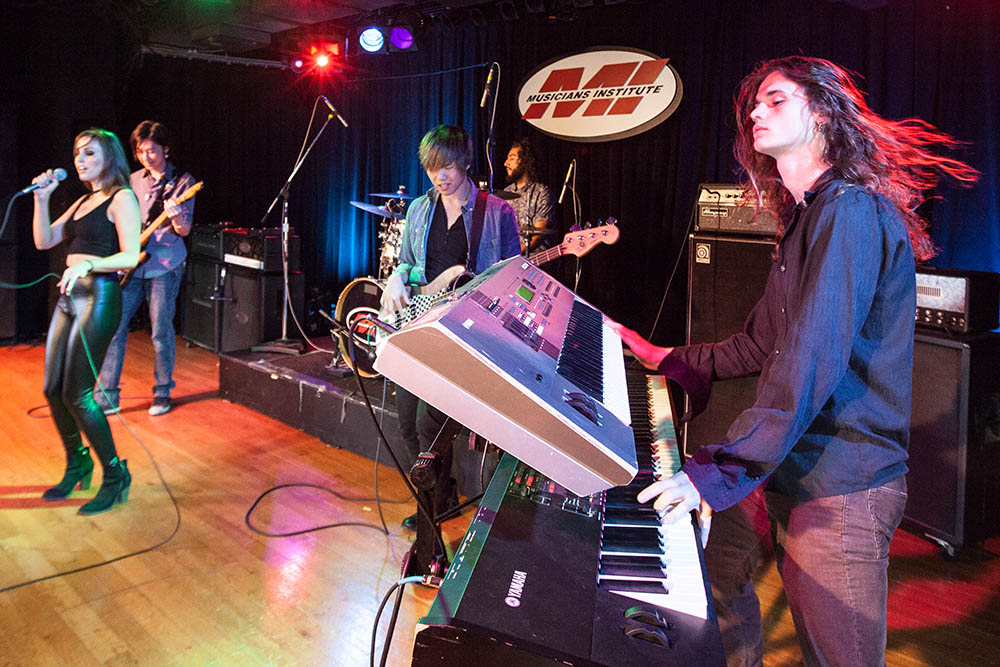
Musicians Institute’s Keyboard degree program takes an innovative approach to an instrument that is both deeply traditional and constantly evolving, with a curriculum combining keyboard performance with contemporary keyboard-based technology.
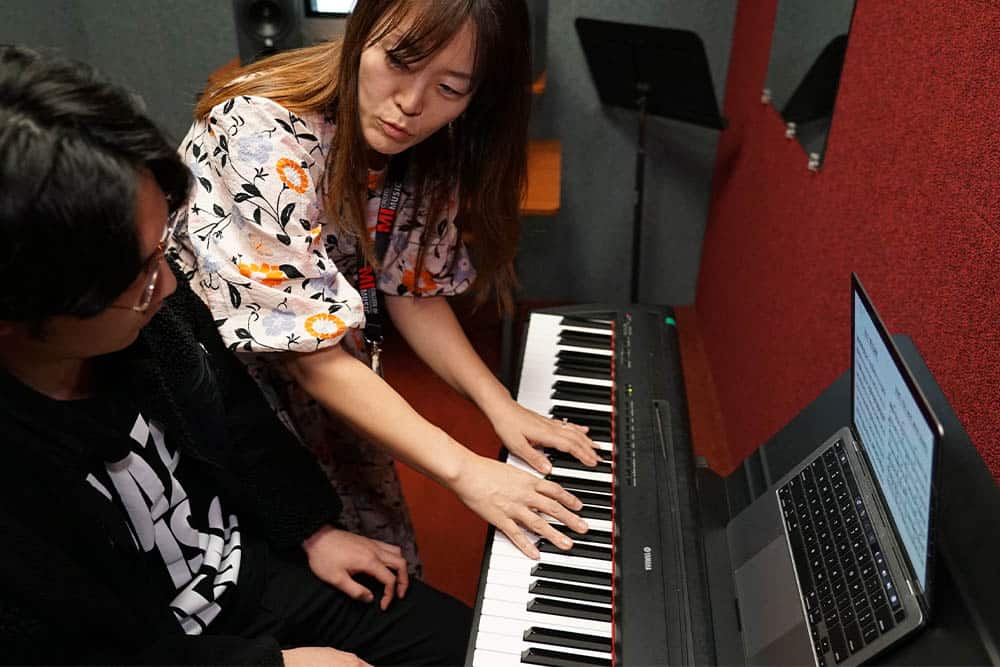
Earn your Keyboard degree with MI and master the styles that move you: Funk, R&B, blues, jazz, country, rock, fusion, Afro-Cuban, Brazilian – you name it, we got it. Our Keyboard instructors are some of the industry’s top working pros, and they’ll serve as your guides in sharing their secrets and helping you hone your skills in your chosen career path.
Our Keyboard Program also provides professional training in advanced capabilities such as sampling, drum programming, production, digital recording, and arranging, all while offering certified Apple Logic training.
Elevate your musical career with a Keyboard Performance degree from Musicians Institute, and transform into a versatile and accomplished artist in the world of piano and keyboard performance.
CURRICULUM HIGHLIGHTS
KEYBD-073E – Funk Keyboards
KEYBD-350/450 – Commercial Composition 1-2
KEYBD-360/460 – Project Recording: Keyboard 1-2
DEGREE BY THE NUMBERS
From 1 to 4 years, there’s an option for you!
MASTER OF MUSIC – 4 Quarters
BACHELOR OF ARTS – 12 Quarters
ASSOCIATE OF ARTS – 6 Quarters
CERTIFICATE – 4 Quarters
MI SELECT (Individual Courses) – 10 Weeks
i Program Overview
Musicians Institute’s Keyboard degree program takes an innovative approach to an instrument that is both deeply traditional and constantly evolving, with a curriculum combining keyboard performance with contemporary keyboard-based technology.
Earn your Keyboard degree with MI and master the styles that move you: Funk, R&B, blues, jazz, country, rock, fusion, Afro-Cuban, Brazilian – you name it, we got it. Our Keyboard instructors are some of the industry’s top working pros, and they’ll serve as your guides in sharing their secrets and helping you hone your skills in your chosen career path.
Our Keyboard Program also provides training in advanced capabilities such as sampling, drum programming, production, digital recording, and arranging, all while offering certified Apple Logic training.
Elevate your musical career with a Keyboard Performance degree from Musicians Institute, and transform into a versatile and accomplished artist in the world of piano and keyboard performance.
CURRICULUM HIGHLIGHTS
KEYBD-073E – Funk Keyboards
KEYBD-350/450 – Commercial Composition 1-2
KEYBD-360/460 – Project Recording: Keyboard 1-2
DEGREE BY THE NUMBERS
From 1 to 4 years, there’s an option for you!
MASTER OF MUSIC – 4 Quarters
BACHELOR OF ARTS – 12 Quarters
ASSOCIATE OF ARTS – 6 Quarters
CERTIFICATE – 4 Quarters
MI SELECT (Individual Courses) – 10 Weeks
i The MI Difference
i The MI Difference
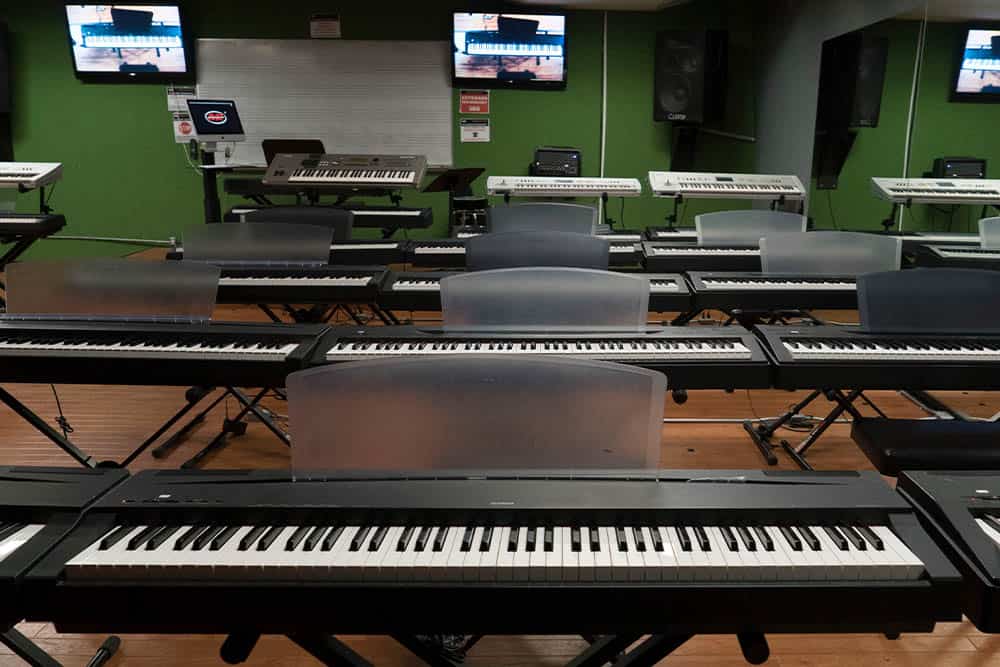
i Facilities
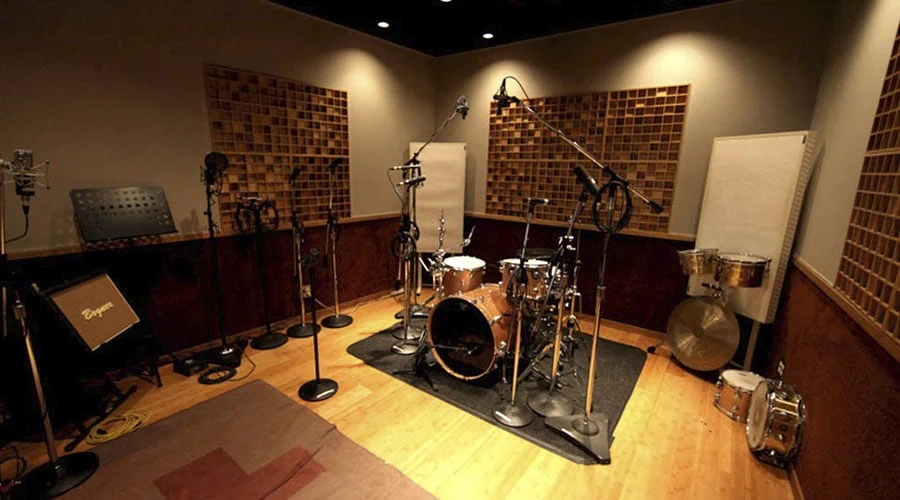
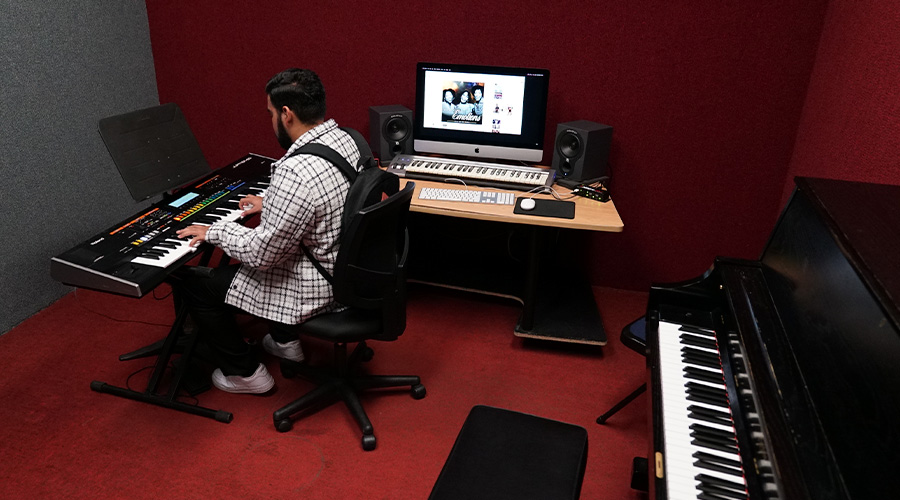
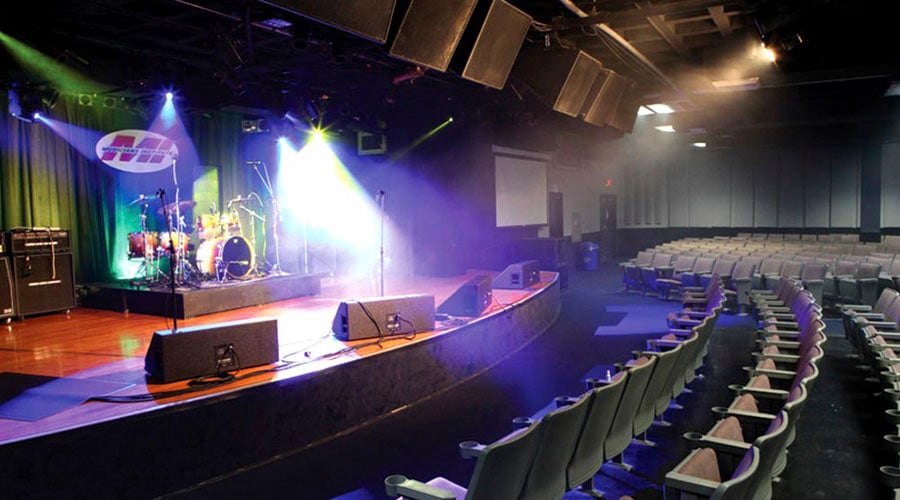
i Facilities
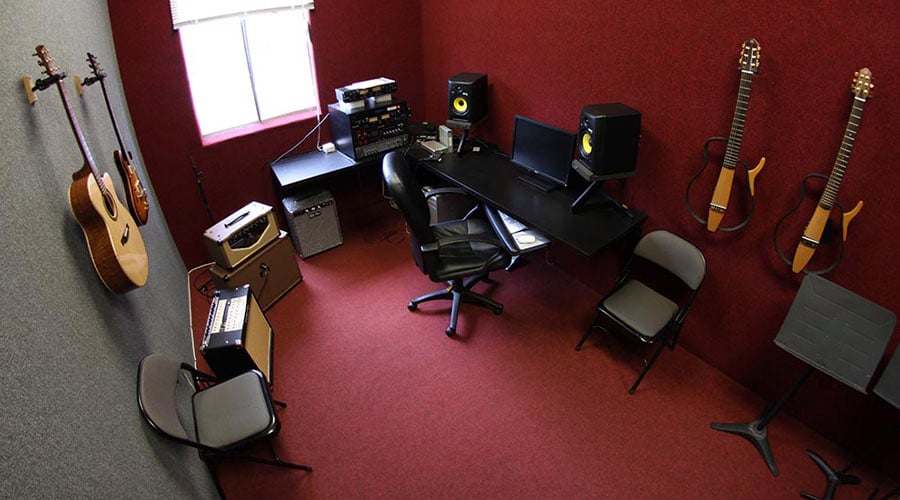
i Faculty
Musicians Institute hosts a highly skilled faculty with extensive experience in the world of contemporary music.
i Faculty
Musicians Institute hosts a highly skilled faculty with extensive experience in the world of contemporary music.
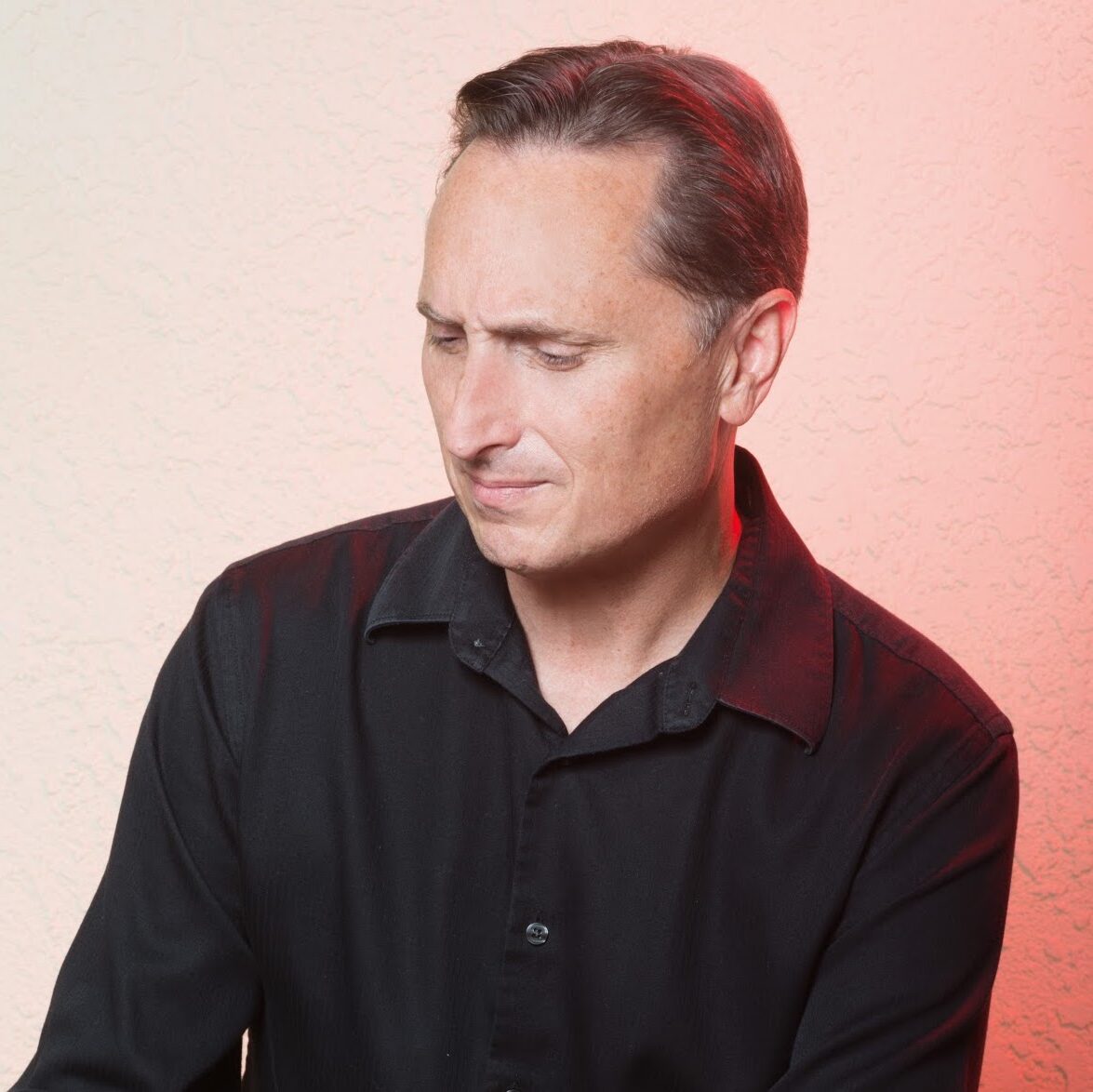
Joe Bagg
Jeff Goldblum / Burt Bacharach / Natalie Cole / Bob Mintzer
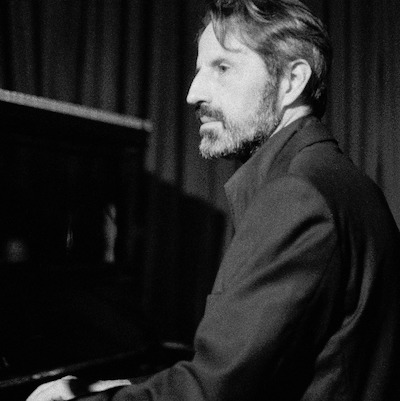
Carl Byron
Anne McCue / Michelle Shocked / Jim Lauderdale / The Young Dubliners / Jackson Browne
Joyce Kim
Abraham Laboriel / Gary Garbatini
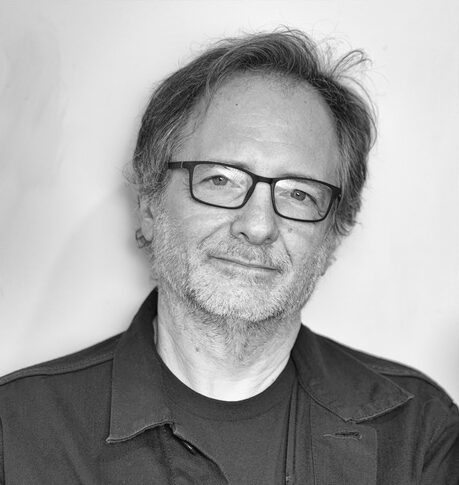
Dan Stein
James Taylor / Jon Bon Jovi / Joe Cocker
Joe Bagg
Jeff Goldblum / Burt Bacharach / Natalie Cole / Bob Mintzer
Carl Byron
Anne McCue / Michelle Shocked / Jim Lauderdale / The Young Dubliners / Jackson Browne
Joyce Kim
Abraham Laboriel / Gary Garbatini
Dan Stein
James Taylor / Jon Bon Jovi / Joe Cocker
i Alumni Success Stories
i Alumni Success Stories


International Students
i CAREER OPTIONS
i CAREER OPTIONS
“What can I do with a degree in Keyboard Performance?”
Following in the non-traditional spirit of MI, graduates with a degree in Keyboard have found careers in diverse settings across the music industry. We strive to prepare graduates for any opportunities that arise in music, like:
> PERFORMER (KEYBOARD FOCUS)
As a keyboard performer specializing in instruments like pianos and synthesizers, you have the opportunity to showcase your skills either as a solo pianist or as a key member of a band, bringing a unique blend of melody and harmony to every performance.
> ACCOMPANIST (PIANO/KEYBOARD)
Piano and keyboard accompanists are vital in supporting and enriching performances across various artistic disciplines. They collaborate closely with vocalists, dancers, theater performers, and other artists, using their piano skills to enhance the overall artistic expression.
> ARRANGER (KEYBOARD ORIENTED)
An arranger with a focus on keyboard instruments skillfully reimagines compositions by altering melodies, harmonies, and tempos. This role is pivotal in adapting pieces specifically for piano or keyboard, significantly transforming the tone and style of the original work.
> SONGWRITER (KEYBOARD SPECIALIZATION)
Specializing in keyboard instruments like the piano, these songwriters are adept at crafting melodies, harmonies, and lyrics tailored for keyboard-centric compositions. Their expertise enables them to create original pieces for personal performance or to provide compositions for other artists to interpret.
> MUSIC SUPERVISOR (WITH KEYBOARD EXPERTISE)
A music supervisor with a background in keyboard and piano brings a nuanced understanding of musical composition to their role in film or television. They oversee song placements and licensing, often utilizing their keyboard expertise to select pieces that perfectly fit the production’s mood and themes.
> TRANSCRIBER (KEYBOARD FOCUS)
Transcribers specializing in keyboard instruments work meticulously with composers to accurately notate the notes, arrangements, and pitches of songs and scores, particularly those intended for piano or keyboard performance. This role is crucial in bringing unwritten or improvised pieces to a wider audience through precise documentation.
“What can I do with a degree in Keyboard Performance?”
Following in the non-traditional spirit of MI, graduates with a degree in Keyboard have found careers in diverse settings across the music industry. We strive to prepare graduates for any opportunities that arise in music, like:
> PERFORMER (KEYBOARD FOCUS)
As a keyboard performer specializing in instruments like pianos and synthesizers, you have the opportunity to showcase your skills either as a solo pianist or as a key member of a band, bringing a unique blend of melody and harmony to every performance.
> ACCOMPANIST (PIANO/ KEYBOARD)
Piano and keyboard accompanists are vital in supporting and enriching performances across various artistic disciplines. They collaborate closely with vocalists, dancers, theater performers, and other artists, using their piano skills to enhance the overall artistic expression.
> ARRANGER (KEYBOARD ORIENTED)
An arranger with a focus on keyboard instruments skillfully reimagines compositions by altering melodies, harmonies, and tempos. This role is pivotal in adapting pieces specifically for piano or keyboard, significantly transforming the tone and style of the original work.
> SONGWRITER (KEYBOARD SPECIALIZATION)
Specializing in keyboard instruments like the piano, these songwriters are adept at crafting melodies, harmonies, and lyrics tailored for keyboard-centric compositions. Their expertise enables them to create original pieces for personal performance or to provide compositions for other artists to interpret.
> MUSIC SUPERVISOR (WITH KEYBOARD EXPERTISE)
A music supervisor with a background in keyboard and piano brings a nuanced understanding of musical composition to their role in film or television. They oversee song placements and licensing, often utilizing their keyboard expertise to select pieces that perfectly fit the production’s mood and themes.
> TRANSCRIBER (KEYBOARD FOCUS)
Transcribers specializing in keyboard instruments work meticulously with composers to accurately notate the notes, arrangements, and pitches of songs and scores, particularly those intended for piano or keyboard performance. This role is crucial in bringing unwritten or improvised pieces to a wider audience through precise documentation.
i Career Development
i CAREER DEVELOPMENT
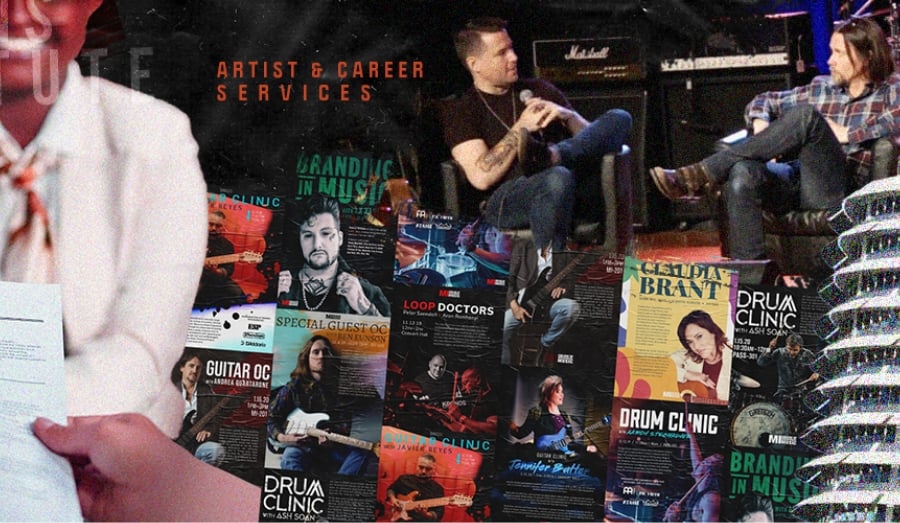
Artist & Career Services
Artist & Career Services (ACS) is an extensive resource center designed to offer students and alumni active professional & personal development to succeed in today’s competitive entertainment industry.
ACS provides help in career development like resume building, workshops, industry mentors, discounted gear, internships and more.
INTERNSHIPS
The ACS Internship Program provides MI students with real-world experience in the music industry through internships in music-related companies. Students in the Music Business Program are required to complete an internship, while Common Course and Audio Engineering majors are able to sign up to be interviewed and considered for the elective program.
INTERNSHIPS
The ACS Internship Program provides MI students with real-world experience in the music industry through internships in music-related companies. Students in the Music Business Program are required to complete an internship, while Common Course and Audio Engineering majors are able to sign up to be interviewed and considered for the elective program.
i SCHOLARSHIPS & FINANCIAL AID
i FINANCIAL AID
Don’t let finances get in the way of your dreams. MI has a range of scholarships available for incoming students of all kinds. Scholarships available to Keyboard students include:

MUSICIANSHIP SCHOLARSHIP
Musicianship Scholarships are available to new and current instrumental students enrolling in the Bachelor of Music, Bachelor of Composition, Associate of Arts, or Certificate in Performance Programs.
MUSICIANS FOUNDATION SCHOLARSHIP
The Musicians Foundation Scholarships were created to recognize and support the creative skills, talent, overall musicianship, and dedication of MI Keyboard students.
Ready to start your Keyboard journey?
Ready to start your keyboard journey?
The first step in applying to our on-ground or online program is to complete an Application for Admission, and get started with the best music college!
The first step in applying to our on-ground or online program is to complete an Application for Admission, and get started with the best music college!
i UPCOMING EVENTS
i Upcoming Events

MI ONLINE INFO SESSION
Thursday, June 11, 2026 at 4:00 PM (Pacific Time)
Meet the MI Online team as they guide you through the MIO platform, the diverse program offerings, and the steps needed to apply.

FINANCING YOUR EDUCATION
Thursday, June 18, 2026 at 4:00 PM (Pacific Time)
You’ll learn about everything from an overview of the financial aid process, to key documents you’ll encounter, and different funding sources that can help you manage costs.

VIRTUAL OPEN HOUSE
Saturday, July 18, 2026 at 10:00 AM (Pacific Time)
Find out for yourself why thousands of musicians from all over the world have made MI the launching pad for their careers.