MB Redfined

Program Overview

MI's Audio Engineering programs prepare graduates for careers in the professional recording industry by providing in-depth training in the essential techniques of recording as well as hands-on experience in state-of-the-art studios. MI’s unique all-music environment in the heart of Hollywood surrounds you with musicians of every style, offering unparalleled creative recording opportunities. Whether your goal is to be a pro audio engineer, master the recording process as an artist or producer, or learn the art of film and television post-production audio, MI provides the knowledge and experience to make it a reality.

All programs feature:
World-Class Studio Facilities
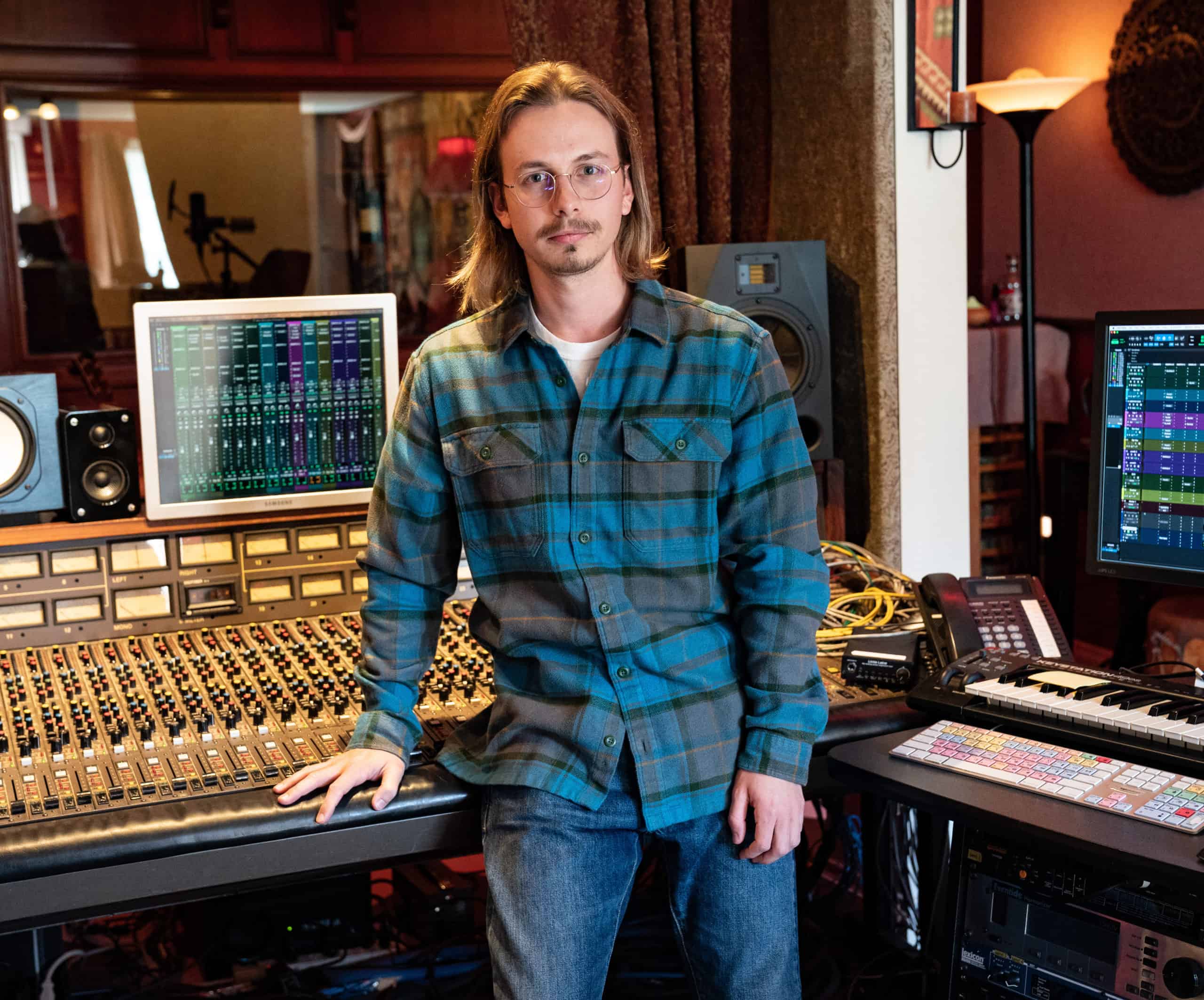
Track, overdub and mix in first-rate studios featuring industry-standard equipment including Neve, SSL, DigiDesign, Neumann and more

Day & Night Schedules, 24-hour Lab Access
A choice of schedules and quarterly starts provide working students with maximum flexibility. Practice, study, experiment, and record your musical projects at any time of the day or night using the latest Digidesign software and plug-ins.

Recording Studio Internships
Gain practical professional experience as an engineering assistant in top recording studios

All-Music Environment
At MI, you learn recording n the heart of a creative music environment – you learn how to get the most out of musicians, not just technology.

Hands-on Classes
Small (12 students maximum) core and elective classes let you apply your knowledge immediately to the recording process. Courses include:

Pro Tools 1 (Digidesign-approved for Pro Tools 101 and 110 certification)
Pro Tools 2 (Digidesign-approved for Pro Tools 201 and 210M certification)
Intro to Logic 8 (Apple-approved for Logic certification)

Console Operation: SSL
Console Operation: Neve
Acoustics
Electronics
Track Programming
Practical Recording
Pre-Production
Analog Signal Processing
Digital Signal Processing
Live Sound
Studio Design
Mixing & Mastering
Music Production
Music Studio Etiquette

Recording Internship
Electronics Internship
Location Sound Recording and Mixing              
Post-Production Essentials
Music Editing        
Background and Sound Effects Editing
Foley Recording and Editing
ADR and Dialogue Editing
Mixing and Conforming
Sound Reinforcement Essentials
Console Operation: Venue
Monitor Setup and Operation
Live Recording and Mixing
Lighting and Video Production
Stage and Tour Management
Live Sound Applications


Beginning with the fall 2009 quarter, MI will offer Pro Tools 200-level courses as a Digidesign Certified Training Location. Students enrolling in Audio Engineering Certificate programs will receive Digidesign training that prepares them for the Pro Tools Operator exam, and those who pass will be officially certified to operate Pro Tools|HD® systems in a professional music and/or post-production environment.

Click here for more information on Pro Tools certification. To find out more about MI’s Audio Engineering programs, contact MI’s Admissions Department.


MI is an authorized Apple training center for Logic audio software. Logic is one of the industry’s most popular programs for digital audio production, editing and sequencing, used by major production companies, post-production facilities, studios, arrangers and composers. Students who complete classes in Logic as part of the Audio Engineering, Independent Artist, or Keyboard Program and pass a Logic certification exam receive a certificate from Apple and are listed on Apple’s website as authorized Logic experts.

AA Degree Emphasis

Associate of Arts students in instrument performance programs (Bass, Drums, Guitar, Keyboard Technology, Vocals) may opt for a combined course of study which is a combination of the performance program and a music industry program (Audio Engineering, Film, Guitar Craft, Music Business, Independent Artist).

Enrollment in such programs is dependent upon admission approval and space availability.

*Associate programs are vocational and do not include General Education requirements or specific preparation for study at the Baccalaureate level.

Certificate

Certificate in Audio Engineering
The two-quarter/30 credit-unit Certificate in Audio Engineering provides an intensive, hands-on curriculum designed to prepare aspiring engineers for the demands of the professional recording studio. Completion of all program requirements qualifies students to earn the Certificate in Audio Engineering.

Major Area

Practical Recording
Class focuses on recording drums, bass, different types of guitars, vocals, piano, etc. Learn how to overdub single instruments and build a complete, multi-track arrangement and production using the SSL studio and Avid Pro Tools© HD. One 90-minute lecture and one 90-minute workshop per week for one quarter.

Console Operation 1: SSL
Students learn signal flow as it applies directly to high-end professional SSL consoles, including how to route signals for tracking, overdubbing, and mixing. One 90-minute lecture and one 90-minute workshop per week for one quarter.

Console Operation 2: Neve
Students learn signal flow as it applies directly to the high-end professional Neve consoles, including how to route signals for tracking, overdubbing, and mixing. One 90-minute lecture and one 90-minute workshop per week for one quarter.

Pro Tools© 1
Learn the basic concepts and theory involved in using a digital audio workstation.Students will learn how to set up a Avid Pro Tools© session for recording,import audio, edit and record MIDI, back up data, work with firewire drives, and more. Completion of the course prepares students to take Avid-authorized Pro Tools© 101 and 110 exams. One 3-hour lecture and one 90-minute lab perweek for one quarter.

Pro Tools© 2
This class explores powerful Avid Pro Tools© editing and processing functions, including plug-ins, automation, synchronization, quantization, mastering and more. Completion of the course prepares students for the Avid-authorized Pro Tools© 201 and 210M certification exams; students who pass both exams qualify as Avid Certified Operators and are included in Avid’s official listing. One 3-hour lecture and one 90-minute lab per week for one quarter.

Music Studio Etiquette
A comprehensive look at what goes on before, during and after sessions. Learn the do’s and don’ts of how to work in a professional recording studio environment. One 90-minute lecture per week for one quarter.

Acoustics
Fundamentals of musical phenomena and perception. Learn to recognize frequencies by ear and how different microphone techniques affect the recording of sound waves, critical elements in creating a professional recording and mix. Also introduces the student to soundproofing and acoustic treatments of studios. One 90-minute lecture per week for one quarter.

Musicianship
Note: successful completion of this course or equivalency exam is a prerequisite for all electives. This class provides a basic understanding of terms used by musicians, engineers and producers as well as the information necessary to bridge the gap separating these three different roles. Learn how to contribute to the songwriting process in a studio environment. One 90 minute lecture per week for one quarter.

Music Pre-Production
Students gain basic production skills while working with project-studio equipment. Students record right away, learning how demos are made and why they are so crucial to having a great session. One 90-minute lecture per week for one quarter.

Recording Theory
Fundamentals of analog recording theory and practice, including an overview of studio components, EQ and filters, dynamic processors, microphones, auxiliary routing and effects processors. One 90-minute lecture per week for one quarter.

Mixing and Mastering
Learn professional mixing and mastering techniques, including fader balance and automation, lifting instruments with EQ and corrective EQ blueprints, editing and gating techniques, compressor and limiter settings, imaging, and time-based processors. During a weekly Project Advisor meeting, students discuss progress and receive advice and critique on their mandatory Final Recording Project. One 90-minute lecture and one 90-minute group Project Advisor meeting per week for one quarter.

Electronics
Builds a firm understanding of soldering techniques, DC and AC circuits, and various technical components used in studios. One 90-minute lecture per week for one quarter.

Intro to Post-Production
Fundamentals of audio post-production concepts and techniques, including sound effects editing, dialogue editing, Foley, and 5.1 Surround mixing for film and television. Weekly hands-on projects culminate in a final project. One 90-minute lecture per week for one quarter.

Signal Processing
Learn how to operate professional signal processing gear, including traditional in-line processors (compressor, gate, EQ), effects processors (reverb, delay, chorus, pitch shift) and both Avid Pro Tools© and third party plug-ins. One 90-minute class per week for one quarter.

ELECTIVES
Note: Audio Engineering students must complete their elective requirements from the following program-specific electives only.

Entry-Level Electives
Note: Successful completion of AUDIO-106 Musicianship or equivalency exam is a prerequisite for all electives.

Introduction to Live Sound
Class focuses on live sound engineering. Students participate in “front of house” mixing, monitor mixing and set-up/tear down procedures in a working, 500-seat concert hall environment. World-class musicians in a variety of styles provide the music. One three-hour lecture per week for one quarter.

Music Production
Students learn the “ins and outs” of both the business and creative sides of album production. Classes are hands-on, intensive and real-world, covering concepts such as budgeting, choosing studios and musicians, working with engineers and management and finessing the best performance out of artists. One 90-minute lecture per week for one quarter.

Advanced Electives (see course descriptions for prerequisites)

Audio Internship
Students gain practical professional experience in working recording studios as engineering assistants. Hours and schedules vary according to the specific position obtained; minimum of five hours per week for one quarter.

Electronics Workshop 
Students who are interested in becoming studio technicians or learning how to do repairs on their own studio gear gain practical hands-on experience in studio maintenance and repair. Three workshop hours per week for one quarter.

Intro to Logic 
This course introduces songwriters, composers, audio producers and sound engineers to the primary features and basic user interface of Logic Pro. Students learn the process of creating an actual song, from recording, editing, and arranging MIDI sequences to digital effects processing, mixing, automation and scoring to picture using Logic Pro’s comprehensive array of software instruments, Apple Loops and DSP effects. The course covers the requirements needed to become an Apple Certified Pro – Level One in Logic Pro 9. One three-hour lecture per week for one quarter.

Studio Design 
This course is designed to focus on creating an acoustically viable space in the home or project studio environment. Students will learn the various methods of controlling sound in a less than ideal space. Devices for sound proofing and sound controlling will be studied and used in the creation of an actual studio. You will get your hands dirty in this one. One 90-minute lecture/workshop per week for one quarter.

Track Programming
This course introduces students to the art of sequencing tracks using MIDI, samplers, loops, and the latest computer software. This elective is ideal for students interested in producing beats for popular music styles such as Hip Hop, R & B, pop/rock, dance, electronica, etc. One 90-minute lecture per week for one quarter.

Video Game Audio
This course is designed to teach core elements, workflow and concepts involved in creating audio for video games or multimedia. Students learn to design sounds and ambience for video games. One 90-minute lecture per week for one quarter.

Certificate in Audio Engineering (Post-Production Audio)
The three-quarter/45 credit-unit Certificate in Audio Engineering with an emphasis in Post-Production Audio prepares graduates for a wide range of creative and professional opportunities in the fields of music, film and television audio. Through hands-on courses taught on industry-standard equipment by experienced professionals, students learn to manage the entire audio production process from pre-production and tracking through editing, mixing, conforming and mastering. Concepts and technical skills are presented from a practical perspective with an emphasis on musical and creative applications. requirements qualifies students to earn the Certificate in Audio Engineering.

ADR
Learn the ins and outs of ADR (Automated Dialog Replacement). Students learn to accurately replace dialog for television and film while working on a professional project in a pro environment. This class is very dynamic and hands-on and provides real-life experience in professional post-production editing. One 90-minute lecture per week for one quarter.

Background and Sound Effects
Using professional sound libraries and movie scene analysis, students learn how to edit and synchronize background and sound effects. This class also emphasizes the delivery requirements for the dubbing stage. One three-hour lecture per week for one quarter.

Foley Recording and Editing
This class demonstrates the recording and editing techniques for footsteps and props. Students will learn how to spot and configure the editing environment in preparation for a Foley session. One 90-minute lecture per week for one quarter.

Field Recording
Students learn the theory and practical use of microphones, field recorders and mixers in order to capture audio in outdoor and TV/movie set environments.This course also focuses on the organization and editing of field recorder media inside Avid Pro Tools©. One 90-minute lecture per week for one quarter.

Mixing and Conforming
Using the Digidesign Icon system in MI’s THX-certified stage, students learn the complex and creative process of mixing sound and music in surround sound. This class introduces critical elements of dubbing session preparation, organization and conforming to reflect changes in the picture-editing process. One three-hour lecture per week for one quarter.

Music Editing
Music is an essential element in visual storytelling and emotional development. This course introduces students to concepts of music aesthetics, music resources, editing techniques and elements of film scoring. One three-hour lecture per week for one quarter.

Post-Production Essentials
Students receive a comprehensive overview of all the essential concepts, equipment, formats, workflow and scheduling of a Post-Production facility and project. One three-hour lecture per week for one quarter.

Dialogue Editing
Learn to hand-sync dialog, ADR and auto-assemble production sound dailies to video using the picture editor-supplied CMX edit decision list (EDL) output from both Avid and Final Cut Pro picture editing systems. Additional techniques include preparing dialog for dubbing, back-filling with ambiance for ADR, and time compression and expansion of ADR using Avid Pro Tools©. Topics include time code formats, frame rates, time-base references and proper track layout for both dialog and ADR edit sessions in preparation for the dub stage. One 90-minute lecture per week for one quarter.

Certificate in Audio Engineering (Live Sound Production)
The three-quarter/45 credit-unit Certificate in Audio Engineering with an emphasis in Live Sound Production prepares graduates for a wide range of creative and professional opportunities in the fields of music recording and production. Through hands-on courses taught on industry-standard equipment by professionally accomplished instructors, students learn to manage the audio production process from the studio to the live stage, including pre-production, recording, editing, and mixing both studio recordings and live musical events. Concepts and technical skills are presented from a practical perspective with an emphasis on musical and creative applications.

Monitor Setup and Operation
Proper monitoring is essential to successful live music performance. Covers the fundamentals and practical applications of stage monitoring, including contemporary in-ear monitoring systems. One 90-minute lecture per week for 10 weeks.

Console Operation 3: Yamaha & Venue 
Students learn to operate the Yamaha M7CL console as well as Digidesign’s state-of-the-art Venue live sound production system from setup and configuration to mixing tips and tricks, including automation/snapshot capabilities and Avid Pro Tools© integration for live recording. This course prepares students for the official Avid 110V certification exam. One 90-minute lecture per week for 10 weeks.

Lighting and Video Production
Introduction to stage lighting and live video recording and directing. Students learn industry-standard lighting and video production systems, moving lights and lighting design software, as well as programmable fixtures and lighting cues. One 90-minute lecture per week for 10 weeks.

Live Recording and Mixing 
Students learn how to set up, record, and mix live music with focus on advanced concepts (fader balance, automation, EQ, compression and limiting, editing and gating, basic mastering, etc.) as they apply to live event recording and mixing. One 90-minute lecture and one 90-minute lab per week for 10 weeks.

Sound Reinforcement Essentials
A comprehensive overview of all the essential concepts, equipment, formats, workflow and scheduling of live music productions. Topics include installation, acoustics, microphones and microphone placement, power amplifiers, loudspeakers, cabling, and standard nomenclature and practices of the live sound profession. One three-hour lecture/ lab per week for ten weeks.

Stage and Tour Management
Introduction to live concert and event management, including an overview of contract riders, backline, scheduling, logistics, media and accounting. One 90-minute lecture once a week for ten weeks.

Live Sound Applications
In this hands-on class, students learn to manage the daily duties of sound reinforcement engineers (assembling sound systems, stage setup and tear-down, sound checks, troubleshooting, etc.). One 90-minute lecture plus 4-6 hours of applied live event production per week for ten weeks.

Pictures