
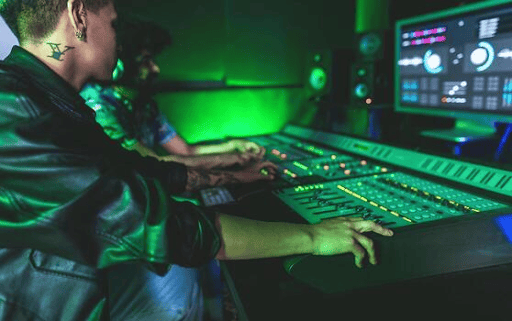
Choosing your first DAW can feel bigger than it should. Every platform has loyal fans, every producer online seems certain that theirs is the best, and beginners often end up comparing features before they even understand how they want to make music. In reality, the best DAW for music production students is usually not the one with the most hype. It is the one that helps you learn faster, finish more work, and build skills that actually carry into real sessions, collaborations, and career opportunities.
That is especially important in 2026, when students are not just learning how to make beats or record ideas. They are often trying to do several things at once: produce songs, edit audio, collaborate remotely, build a portfolio, and prepare for more serious studio or artist-development work. If you are exploring a structured path into modern production, MI’s Electronic Music Production Program at MI is a good example of how DAW learning fits into a bigger training environment. MI’s current program page highlights sound design with Ableton Live, beat-making, plugin processing, mixing and mastering, and weekly one-on-one production advising built around a final project students can take into the world.
What Makes a DAW Good for Students?
The best DAW for a student is not always the most advanced one. It is the one that makes it easier to understand workflow, build complete tracks, and keep growing instead of getting stuck in the software itself.
A few things matter most when comparing DAWs:

Blog Post
"*" indicates required fields
By submitting this form, I authorize Musicians Institute (MI) to make or allow the placement of calls, emails, and texts to me at the phone number that I have provided, including through the use of automated technology, or a prerecorded or artificial voice. I understand that I am not required to provide my phone number as a condition of purchasing any property, goods, or services. I agree to the terms of MI’s Privacy Policy. MI will not sell or rent your information to third parties, and you may unsubscribe at any time.
- Learning Curve
- Workflow Speed
- Genre Fit
- Recording And Editing Strength
- Career Relevance
- Long-Term Growth Potential
A student making electronic tracks, for example, may value creative speed and loop-based workflow more than a traditional studio-style layout. A student interested in recording bands or working in larger studio environments may care more about editing, tracking, and industry familiarity. That is why the right choice depends less on internet rankings and more on how you actually plan to learn and work.
1. Ableton Live
Ableton Live remains one of the strongest options for music production students because it balances creativity, performance, sound design, and modern workflow extremely well. Its Session View encourages experimentation, while Arrangement View supports more traditional song building.
For students interested in electronic music, remixing, beat-making, and live-oriented production, Ableton is still one of the clearest choices. It also matters that MI specifically builds part of its Electronic Music Production curriculum around Sound Design with Ableton Live and says students receive guidance from Ableton Certified Trainers. That makes Ableton especially relevant for students looking at a school-to-career path tied to current production workflows.
Best For
- Electronic Music Producers
- Beat Makers
- Remix Artists
- Students Who Learn By Experimenting
2. Logic Pro
Logic Pro stays near the top because it gives students a lot of power without feeling too intimidating at the beginning. It is strong for songwriting, MIDI production, audio editing, virtual instruments, and full-track arrangement, all inside a relatively approachable interface for Mac users.
For many students, Logic is one of the easiest professional DAWs to grow into. It is often a smart choice for beginners who want serious tools but do not want to feel buried under a heavy engineering-first environment on day one. MI’s older 2022 software guide also explicitly described Logic Pro X as a beginner-friendly option, which still aligns with how many students approach it now, even though this new article should expand beyond that older, narrower framing.
Best For
- Beginner Producers On Mac
- Songwriters
- Students Who Want A Smooth All-In-One Workflow
3. FL Studio
FL Studio continues to be a major entry point for students because it is fast, pattern-friendly, and especially attractive for beat-based production. For hip-hop, trap, pop, and internet-native production styles, the workflow can feel immediate in a way that many students love.
Its strength is speed. Students can build ideas quickly, test drum patterns fast, and move into arrangement without too much friction. The tradeoff is that some students eventually want a DAW that feels more naturally suited to larger recording or editing-heavy sessions. Still, for beat makers and many self-taught producers, FL Studio remains one of the most compelling platforms to start on.
Best For
- Beat Makers
- Hip-Hop And Trap Producers
- Students Who Want Fast Idea Generation
4. Pro Tools
Pro Tools remains important because it is still deeply associated with professional studio workflows. Even if many producers prefer other DAWs for composition or beat-making, Pro Tools still matters in recording, editing, tracking, and many engineering-heavy environments. MI’s DAW labs currently list Pro Tools among the software students use, and MI’s broader production and recording programs continue to position students for professional studio settings.
For students who want to understand traditional studio language and become comfortable in recording environments, Pro Tools still has real value. It may not be the easiest emotional first choice for every beginner, but it can be one of the most career-relevant platforms for students leaning toward audio engineering, studio recording, and larger session work.
Best For
- Recording-Focused Students
- Audio Engineering Paths
- Students Who Want Strong Studio Relevance
5. Reason
Reason remains a distinctive option because of its creative rack-style environment and strong sound-design identity. MI still lists Reason in its current DAW labs, which helps keep it relevant in an educational setting even as other DAWs dominate more online conversation.
Reason is often best for students who enjoy building sounds, experimenting with routing, and learning through a more tactile-feeling production environment. It may not be the default pick for everyone, but it is still a meaningful tool for students who want to understand synthesis and production architecture more deeply.
Best For
- Sound Design Students
- Creative Experimenters
- Students Interested In Modular-Style Thinking
6. Studio One
Studio One has become a serious contender because it combines a clean interface with strong recording, composition, and mixing tools. It often appeals to students who want professional depth without the same learning friction some feel in Pro Tools.
Its workflow is efficient, its drag-and-drop behavior feels modern, and it works well across songwriting, production, and mixing. It is often one of the most balanced choices for students who do not yet know whether they will lean more toward production or engineering later.
Best For
- Students Who Want A Balanced DAW
- Songwriters And Recording Artists
- Learners Who Want Professional Features Without Extra Complexity
7. Cubase
Cubase continues to be a strong option for students interested in composition, MIDI programming, and detailed arrangement. It has long been respected for deep music-production features, especially for those who think carefully about structure, orchestration, and intricate programming.
For some students, Cubase feels like a power tool that rewards patience. It may not always be the most immediate beginner DAW, but it is highly capable for students who are serious about production craft and want room to grow into more advanced workflows.
Best For
- Composers
- MIDI-Heavy Producers
- Students Who Want Detailed Arrangement Control
8. Reaper
Reaper is one of the smartest value picks for students who are willing to learn in a slightly less guided environment in exchange for flexibility and power. It is affordable, lightweight, and extremely customizable.
Its biggest advantage is efficiency. Its biggest challenge is that it often expects more setup and self-direction from the user than beginner-focused DAWs do. For disciplined students who want a serious tool without a large upfront commitment, Reaper can be an excellent choice.
Best For
- Budget-Conscious Students
- Self-Directed Learners
- Students Who Like Customization
9. Audacity
Audacity is still not a full professional production environment in the way many other DAWs are, but it remains useful for absolute beginners who want to understand basic recording, editing, and audio manipulation without paying anything. MI’s 2022 article included it for exactly that reason, calling it a way to test the waters before moving into more advanced tools.
For 2026, the key is to frame Audacity correctly. It is not the best long-term DAW for most production students, but it can still be a valid starting point for simple recording fundamentals.
Best For
- Absolute Beginners
- Students Testing Audio Basics
- Entry-Level Recording Practice
10. GarageBand
GarageBand still deserves a place in student conversations because it lowers the barrier to entry more than almost anything else for Apple users. It is not as deep as Logic, but it gives beginners a comfortable way to understand loops, MIDI, basic recording, software instruments, and simple song construction.
For students who are unsure whether they want to commit immediately, GarageBand can be a useful first step before moving into Logic. It is especially helpful for learning the vocabulary and feel of a DAW without the pressure of a more advanced system.
Best For
- New Mac Users
- Students Exploring Production For The First Time
- Beginners Likely To Move Into Logic Later
Which DAW Is Best for Different Kinds of Students?
The real answer depends on your direction.
If you want to make electronic tracks, remix, and perform live, Ableton is one of the strongest choices. If you want an approachable, all-purpose platform on Mac, Logic is hard to ignore. If you care most about beat-making speed, FL Studio is still a favorite. If you are thinking about studio recording and engineering environments, Pro Tools still carries weight. If you want access to multiple current platforms while learning in a structured environment, MI’s facilities matter here too. MI says its campus includes DAW labs with the latest versions of Pro Tools, Logic, Ableton, and Reason, along with working studios and production spaces. That kind of exposure can matter because many students benefit from learning how different DAWs fit different creative and professional situations.
Should Students Pick One DAW and Stick With It?
Usually, yes. Students often grow faster when they commit to one main DAW long enough to understand arrangement, workflow, sound selection, editing, and finishing. Switching constantly can feel productive, but it often delays real progress.
That does not mean you should never touch another DAW. It means your main creative growth usually comes from depth, not software hopping. Once you understand one platform well, learning a second one becomes much easier.
FAQs About the Best DAWs for Music Production Students
Is there one best DAW for all music production students?
No. The best DAW depends on your goals, genre interests, workflow preferences, and whether you are leaning more toward beat-making, songwriting, recording, or engineering.
Is Pro Tools still worth learning in 2026?
Yes, especially for students interested in recording, editing, and studio-oriented work. It still has strong professional relevance in many recording environments.
Is Ableton better than Logic for beginners?
It depends on the student. Ableton is especially strong for electronic music, experimentation, and performance-driven workflow, while Logic often feels more approachable for many Mac-based beginners. MI’s own EMP curriculum specifically highlights Ableton Live, which makes it particularly relevant for electronic production students.
Should beginners start with free software first?
Sometimes. Free tools like Audacity or GarageBand can help students learn the basics, but many students progress faster once they commit to a more complete DAW that matches their long-term direction.
Picking the Right DAW Is Really About Picking the Right Learning Path
The best DAW for music production students in 2026 is the one that helps you create consistently, finish projects, and grow toward the kind of producer or engineer you want to become. For some students, that will be Ableton. For others, it will be Logic, FL Studio, or Pro Tools. The goal is not to pick the “perfect” platform on the internet. It is to choose a tool that fits your workflow and supports real progress.
If you want to learn in an environment that connects DAW fluency to hands-on production, working studios, and broader music-career development, MI’s Campus Recording Studios and DAW Labs are the most specific path for this topic because it shows how software learning fits into a larger creative and professional training environment at the school.