
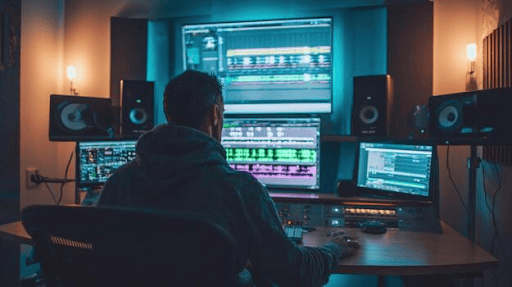
Starting a career in music production can feel confusing because the path is no longer just one thing. Some producers teach themselves from YouTube and practice for years at home. Others take short courses to learn faster. Others want a more structured program that builds both technical skills and career momentum. In 2026, the biggest challenge is not finding information. It is knowing what to focus on first so you do not waste months bouncing between random tutorials, plugins, and half-finished tracks.
The good news is that you do not need to have everything figured out on day one. You do need a roadmap. The best early path into music production is usually a mix of fundamentals, deliberate practice, real projects, and the right environment for your goals. If you are interested in a structured path built around track building, sound design, beat making, and one-on-one production advising, MI’s Electronic Music Production Program at MI is one of the clearest examples of how a school can turn beginner energy into a more focused production path. MI’s current EMP page highlights track building, sound design with Ableton Live, Beat Making & Maschine, and unlimited weekly one-on-one sessions with instructors, all built around a final project students can take into the world.
Start by Understanding What Music Production Actually Includes
A lot of beginners think music production means making beats in a DAW. That is part of it, but the role is bigger than that. A producer may build instrumentals, shape arrangements, direct vocal sessions, edit performances, choose sounds, manage collaborators, and guide a song from rough idea to finished release.
That matters because your career path will look different depending on the kind of producer you want to become. Some people want to produce their own music as artists. Some want to make beats for vocalists and rappers. Some want to work in electronic music. Some want to move toward recording, mixing, songwriting, sync, or artist development. The clearer you get about that direction, the easier it becomes to choose the right tools and training path.

Blog Post
"*" indicates required fields
By submitting this form, I authorize Musicians Institute (MI) to make or allow the placement of calls, emails, and texts to me at the phone number that I have provided, including through the use of automated technology, or a prerecorded or artificial voice. I understand that I am not required to provide my phone number as a condition of purchasing any property, goods, or services. I agree to the terms of MI’s Privacy Policy. MI will not sell or rent your information to third parties, and you may unsubscribe at any time.
Step 1: Learn One DAW Well Before You Chase More Gear
One of the most common beginner mistakes is trying to learn too much software at once. You do not need five DAWs, thirty plugins, and a huge sample library to begin. You need one main platform and enough consistency to actually finish work inside it.
Pick a DAW that fits the kind of music you want to make, then stay with it long enough to get comfortable. Learn how to build a session, arrange sections, program drums, record audio, edit timing, use basic effects, and export clean files. That foundation matters much more than constantly switching tools because another producer online recommended something different.
At the beginner stage, depth beats variety. A producer who can confidently build complete tracks in one system will usually progress faster than someone who keeps restarting the learning process with new software every few weeks.
Step 2: Build the Core Skills That Actually Make Producers Valuable
Good production is never just about software. The strongest beginners usually improve because they build a few core skills together instead of chasing only surface-level tricks.
Ear Training
You do not need perfect pitch to become a producer, but you do need to hear what is happening in a track. Train yourself to notice timing issues, clashing frequencies, chord movement, arrangement changes, and vocal placement. The better your ear gets, the better your decisions get.
Rhythm and Song Structure
A lot of beginner tracks fail because the groove feels flat or the arrangement never develops. Learn how intros, verses, hooks, drops, bridges, builds, and transitions create momentum. Production is partly sound design, but it is also about pacing.
Music Theory for Producers
You do not need to become a theory purist, but basic harmony, scales, chords, and progressions will make you much faster and more creative. MI’s recent producer-focused content shows the school is actively writing toward this angle, too, including a February 2026 article on chord progressions for producers. That supports the idea that modern production training is not just about buttons and plugins. It also includes musical foundations.
Finishing Songs
This one is huge. Unfinished loops do not build careers. Finished tracks do. Even rough finished tracks teach you more than endlessly polishing an eight-bar idea.
Step 3: Decide Whether Self-Study Is Enough for You
Self-study works for some producers, especially highly disciplined learners who already know how to structure practice and seek feedback. It is flexible, affordable, and often a great way to start. But it also has real limits.
The biggest risk with self-study is not that the information is bad. It is that the path is scattered. Many beginners spend too much time consuming content and too little time building repeatable skills. They learn isolated tricks without understanding workflow, musical decision-making, or how to improve weak areas in order.
That is where training options start to matter. Some students do best with short, focused learning. Others want a fuller environment that combines production, writing, branding, collaboration, and career preparation. MI’s Artist/Producer/Entrepreneur Program is especially relevant for producers who do not want to stop at beat-making alone. Its current program overview says students are guided through songwriting, arranging, recording, production, marketing, and promotion, with a curriculum designed to support independent recording artists and music industry professionals.
Step 4: Build a Beginner Portfolio as Early as Possible
A beginner portfolio does not need to be perfect. It does need to exist.
Your first portfolio can be simple:
- 3 to 5 finished beats or tracks
- 1 or 2 collaborations with vocalists, songwriters, or instrumentalists
- A few short clips that show the range
- Clear file naming, clean exports, and a basic online home for your work
This matters because music production is learned through projects, not just theory. A portfolio also forces you to make real choices: when a track is done, what your sound is leaning toward, what needs work, and what collaborators respond to.
At the beginning, focus less on impressing everyone and more on showing growth, consistency, and direction.
Step 5: Start Collaborating Before You Feel “Ready”
Many producers wait too long to collaborate because they want to feel fully prepared first. That almost always slows them down. Collaboration teaches you things solo practice cannot: communication, revision, deadlines, taste, compromise, and how real artists respond to your work.
You do not need famous clients to start. Work with local artists, friends, vocalists online, student filmmakers, content creators, or other beginners who are serious. The goal is not prestige. The goal is reps.
Those early collaborations often reveal where your strengths are. Maybe you are great at vocal production. Maybe your drums hit hard, but your arrangements need work. Maybe you are strongest in electronic production or artist development. That clarity is valuable.
Step 6: Learn the Business Side Earlier Than Most Beginners Do
A lot of talented producers get stuck because they only study the creative side. In reality, career growth also depends on presentation, communication, and positioning.
Even at the beginner level, you should start learning how to:
- Name and organize files professionally
- Send clean demos
- Communicate revisions clearly
- Build a basic producer identity online
- Keep track of collaborators and opportunities
- Present your work in a way that makes people want to return
This is one reason broader programs can make sense for some students. They do not just teach sound. They also teach how creative work moves through the real industry.
Step 7: Choose a Path That Matches the Career You Actually Want
Not every future producer needs the same training path.
If you mainly want to produce electronic tracks, remix, and build technical production skills, a focused production path may make the most sense. If you want to create your own music, develop a brand, release songs, and build a broader independent-artist career, a hybrid path that combines production and entrepreneurship may be better.
The wrong choice is not taking one route over another. The wrong choice is staying vague for too long. The clearer your direction gets, the faster your learning becomes.
FAQs About Starting a Career in Music Production
How long does it take to start a music production career?
You can start immediately, but building real skills and a credible portfolio takes time. For most beginners, the first big milestone is not “making it,” but becoming consistent enough to finish strong work and collaborate confidently.
Do I need school to become a music producer?
No, not always. Some producers are self-taught. But structured training can help if you want faster feedback, stronger fundamentals, clearer progression, and more access to mentors, collaborators, and career development.
What should I learn first as a beginner producer?
Start with one DAW, rhythm, arrangement, basic music theory, ear training, and finishing simple tracks. Those skills create a stronger base than jumping straight into advanced plugins or mixing tricks.
Is music production a realistic career in 2026?
It can be, but only if you treat it like a real skill path. The producers who make progress usually combine craft, consistency, collaboration, and professional habits rather than relying on inspiration alone.
Turning Beginner Energy Into a Real Production Path
The best beginner roadmap for 2026 is not flashy. Learn one DAW well. Strengthen your ear. Build finished. Collaborate early. Understand the business side. Then choose the training path that fits the producer you want to become.
If you want support beyond tutorials, MI’s Artist & Career Services is a strong final step for this topic because it reflects the career side of the roadmap, too. MI says ACS offers mentorship, internships, networking events, workshops, job-search support, resume help, and artist-development resources like EPK, website, and social-media assistance, which is exactly the kind of bridge many beginner producers need when they are ready to move from learning into career-building.