
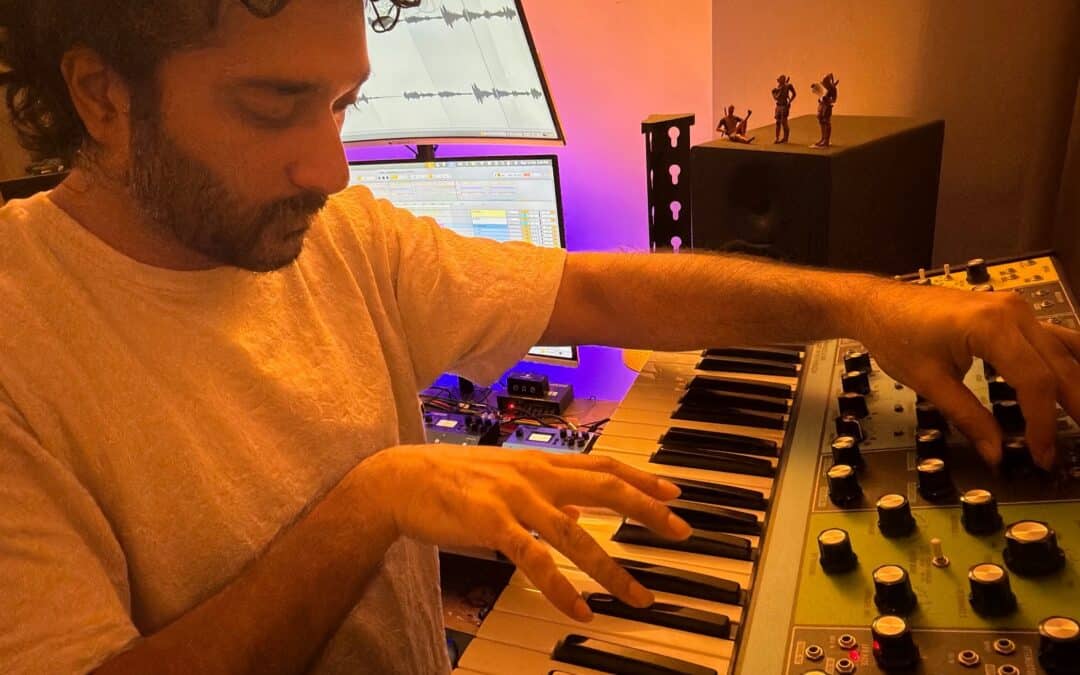
From the recording studio to film sets across India, Musicians Institute graduate Shreyas Srinivas has built a career combining his passion for music with his expertise in audio engineering. After graduating from MI with a degree in Music Performance and an emphasis in Audio Engineering, Shreyes went on to work as a production sound mixer and sound recordist in the Indian film industry, contributing to projects for major streaming platforms including Netflix, Amazon Prime Video, and Sony LIV.
Now based in Bengaluru, India, Shreyes continues to expand his creative work through film sound, music production, and original compositions. We caught up with him to discuss his journey from MI to the film industry, the challenges of capturing sound on set, and his advice for aspiring audio engineers looking to build a lasting career in music and entertainment.
Editor’s note: This interview has been edited for length and clarity.
You graduated from MI in music performance with an emphasis in audio engineering. How did your time at MI shape the path that led you to working in film sound today?
The combination of a performance and technical program really helped me become a very holistic musician and engineer. I think both job titles need a bit of each and in my case, being a musician all my life and now coming out of MI with tons of technical knowledge and time in the studio gave me the confidence to know I can work in this world and eventually have a meaningful impact.
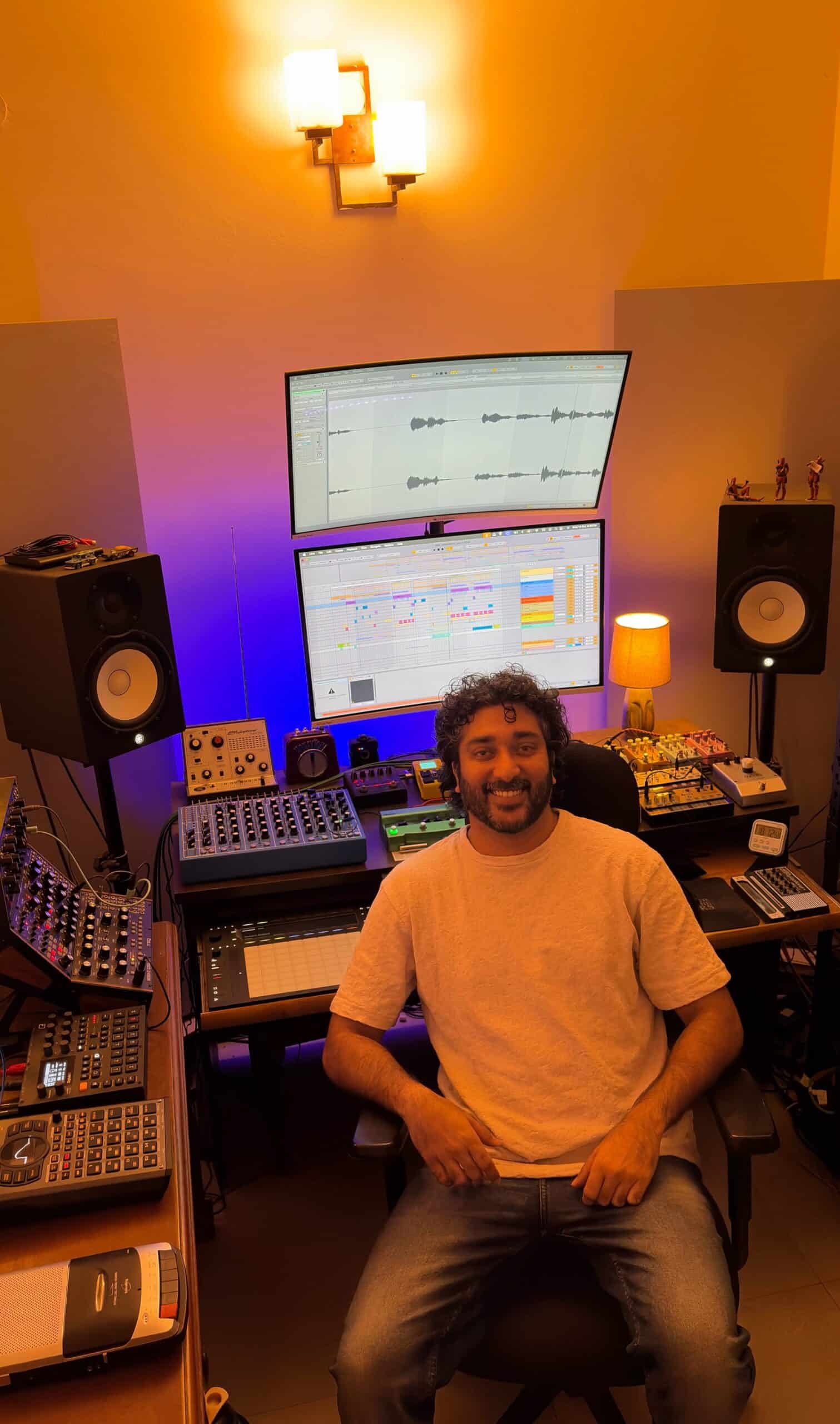
You currently work as a production sound mixer and sound recordist in the Indian film industry. What does your role involve on a typical project, from pre-production through post?
I’m pretty much the sound department for a movie or web show. I usually get involved during pre-production, working with the director and producer to break down the script, assess locations, and plan what’s needed both technically and creatively.

Blog Post
"*" indicates required fields
By submitting this form, I authorize Musicians Institute (MI) to make or allow the placement of calls, emails, and texts to me at the phone number that I have provided, including through the use of automated technology, or a prerecorded or artificial voice. I understand that I am not required to provide my phone number as a condition of purchasing any property, goods, or services. I agree to the terms of MI’s Privacy Policy. MI will not sell or rent your information to third parties, and you may unsubscribe at any time.
On set, I work with a team that helps mic the actors, manage equipment, and troubleshoot any sound issues that come up. Our goal is to capture the best possible dialogue and sound while keeping everything running smoothly.
After filming wraps, I move into post-production, where I work on sound design and mixing. This involves cleaning up recordings, adding Foley and sound effects, collaborating with composers, and bringing all the elements together for the final mix. Sometimes I’m also the composer, which is where my musical background really comes into play.
You’ve worked on projects for major platforms like Netflix, Amazon Prime, and Sony LIV. What are some of the biggest challenges of capturing sound on set, and how do you approach solving them in real time?
Most challenges are related to noise and location. We often shoot in live environments where we have little control over traffic, crowds, or background noise. Our team works to minimize distractions, from coordinating silence on set to turning off noisy equipment between takes.
Costumes can also interfere with the sensitive lavalier microphones we use, so we troubleshoot in advance and use specialized padding or alternative mic placements to avoid unwanted noise.
How do you balance the technical demands of on-set sound recording with the creative side of sound design and mixing?
They’re really two different worlds. On set, my focus is capturing quality dialogue and ambience while staying alert and troubleshooting in real time. That gives me a strong foundation when I move into post-production, where I can get more creative with sound design and mixing.
Every scene has different technical needs, so we keep multiple microphone options ready. If a location is too noisy, we sometimes record dialogue separately in a quieter space and sync it with the original footage later. Having worked on the scene firsthand helps me shape its sound creatively in post.
Outside of film and series work, you’re also developing an album and creating more original content. Can you share what you’re working on now and what listeners can expect in the coming months?
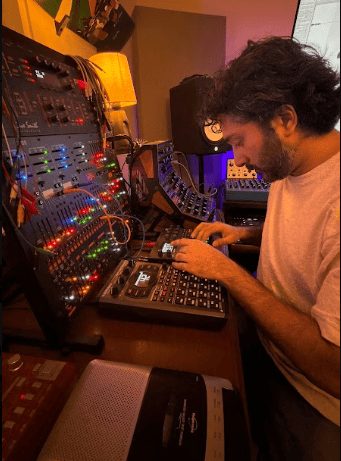
I never stopped producing music while working in film. In fact, many of the skills I use daily, especially in Pro Tools, have helped me immensely with my own music. I now work out of my studio in Bengaluru, India, where I spend a lot of time experimenting with synthesizers, pedals, and sound design.
Recently, I produced two albums featuring 14 electronic tracks for a sync and trailer music publishing company. My specialty has become blending Indian classical influences with electronic music, often experimenting with modular synths and sequencers.
I’ve also finally started working on my own album, something I’ve wanted to do for years but kept putting off due to other commitments. I’m planning to release it sometime in 2027.
What advice would you give to current MI students or alumni who want to build a sustainable career in audio, especially in film, sound design, or international markets?
The industry is constantly evolving, so take what you’ve learned at MI as a strong foundation, but always be willing to adapt and learn new things. Technology, plugins, and AI are changing how we work, allowing us to spend less time on routine tasks and more time being creative.
Also, network! Meet people, build genuine friendships, and keep your circle open beyond your own industry. You never know where your next opportunity might come from. Personality is number one, always.
Early in your career, be open to different opportunities and consider having steady work to support yourself while developing your craft. Think long-term about how your skills will grow and evolve. Stay consistent, and the results will come with time.