
Quick Answer: “At a music production summer camp, students learn how songs are built from idea to finished track. They may create beats, record vocals or instruments, use MIDI and plugins, explore mixing basics, collaborate with other musicians, and leave with a stronger understanding of studio workflow and modern music production.”
Students at a music production summer camp learn how to turn musical ideas into real recordings. Instead of only watching tutorials or experimenting alone at home, they get guided practice with songwriting, beat making, recording, editing, mixing, and collaboration.
That matters because music production can feel confusing when every skill is learned separately. A beginner might know how to make a drum loop but not how to build a full song. Another student might write melodies but feel lost inside a DAW. Someone else may want to record vocals but not understand microphones, levels, or basic session flow.
A focused camp helps connect those pieces. At a music production summer camp in Hollywood, students can spend a short but intensive week learning how modern music is created in a more complete way: writing, recording, producing, sharing ideas, and finishing work.

Blog Post
"*" indicates required fields
By submitting this form, I authorize Musicians Institute (MI) to make or allow the placement of calls, emails, and texts to me at the phone number that I have provided, including through the use of automated technology, or a prerecorded or artificial voice. I understand that I am not required to provide my phone number as a condition of purchasing any property, goods, or services. I agree to the terms of MI’s Privacy Policy. MI will not sell or rent your information to third parties, and you may unsubscribe at any time.
Why Is Music Production Camp Different From Learning at Home?
Music production camp is different from learning at home because students get structure, feedback, studio exposure, and collaboration in one place. Home practice is useful, but it can become scattered without a clear path.
A lot of young producers start by watching videos, downloading samples, and making short loops. That is a great beginning, but it can leave gaps. They may not know why a track feels unfinished, why vocals sound too quiet, why the beat does not support the song, or how to work with another artist in the room.
Camp helps students move from isolated practice to a real creative workflow. They learn by doing, asking questions, testing ideas, and hearing how their choices affect the final track.
Music production camp vs. learning at home
| Learning path | Best for | Main benefit | Common limitation |
| Learning at home | Self-starters and beginners exploring production | Flexible, low-pressure practice | Can feel scattered without feedback |
| Short music production camp | Students who want structure and hands-on experience | Fast exposure to studio workflow and collaboration | Limited time, so students need to stay focused |
| Longer formal program | Students considering a serious production path | Deeper training in production, recording, theory, and career prep | longer time and financial commitment |
A summer camp does not replace long-term training, but it can help students understand what to practice next.
Do Students Learn Beat Making?
Yes, music production students often learn how beats are created from scratch. Beat making usually includes drum patterns, rhythm choices, loops, samples, bass parts, and arrangement ideas.
For many students, this is one of the most exciting parts of camp. A beat can start as a simple rhythm and grow into the foundation of a complete song. Students learn that beat-making is not just about picking sounds. It is about building movement, energy, and structure.
A strong beat should support the artist or idea. It should make room for vocals, melodies, hooks, and transitions. Camp can help students understand how drum patterns, bass lines, and sound choices work together instead of treating every part as a separate layer.
How Does Recording Work at a Music Production Camp?
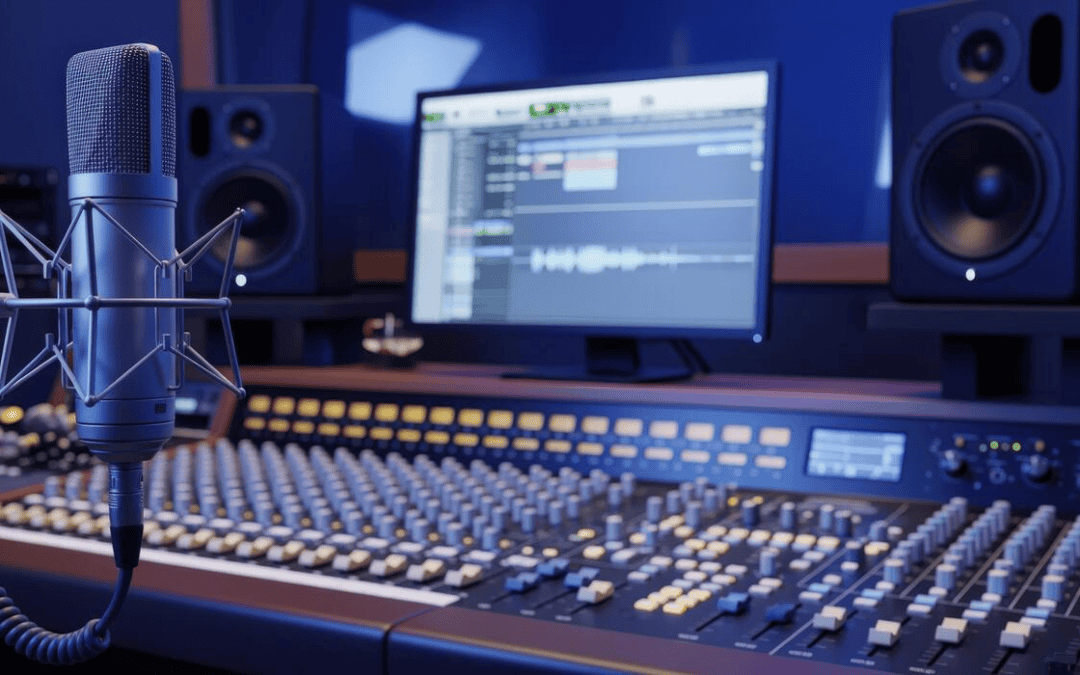
Recording teaches students how to capture vocals, instruments, and creative ideas in a studio setting. That can include learning how to prepare for a session, set levels, record takes, listen back, and decide what needs to be improved.
For beginners, recording can be eye-opening. A vocal that sounds good in the room may need different energy in the microphone. A guitar part may need to be played more consistently. A producer may realize that the arrangement needs space before the recording can feel clear.
The studio teaches students to listen differently. They begin hearing timing, tone, energy, and performance details that are easy to miss during casual practice.
Recording also teaches patience. Good production is not only about the first idea. It is about shaping the idea until it works.
What Do Students Learn About MIDI, Plugins, and Virtual Instruments?
Students learn how digital tools help producers create sounds, build arrangements, and expand ideas beyond traditional instruments. MIDI, plugins, and virtual instruments are central to modern production because they let students create drums, keys, synths, bass lines, textures, and effects inside a production session.
MIDI helps students control musical information. Plugins help shape sound. Virtual instruments give producers access to different tones and textures, even if they do not play every instrument themselves.
The important lesson is not just which button to press. It is why a sound works in a track. A bright synth may help a hook stand out. A softer pad may support a verse. A drum sample may change the entire energy of a beat.
For students who want to continue into deeper production training later, MI’s electronic music production program connects these same ideas to longer-form study in track building, sound design, beat making, plugin processing, and mixing.
Do Students Learn Mixing and Basic Mastering?
Yes, music production camp can introduce students to mixing and basic mastering concepts. At the beginner level, this usually means learning how to balance tracks, control volume, use effects, and make a song sound more finished.
Mixing helps students understand why a track may feel crowded, muddy, too quiet, too harsh, or unfinished. Even simple mix decisions can make a big difference. Students may learn how vocals sit in a track, how drums and bass work together, or how effects like reverb and delay change the space around a sound.
Basic mastering introduces the idea of final polish. Students do not need to become mastering engineers in a week, but they can start understanding how a finished track should feel consistent, listenable, and ready to share.
Collaboration Is a Core Production Skill
The music production camp also teaches students how to work with other people. This is one of the biggest differences between making music alone and producing in a more serious environment.
A producer may need to guide a vocalist, listen to a songwriter, work with a guitarist, take feedback from an instructor, or make creative decisions with a group. That can be challenging at first, especially for students used to working alone.
Collaboration teaches students how to communicate ideas clearly. It also teaches them when to lead and when to listen.
Important collaboration skills include:
- Sharing ideas without taking over
- Giving and receiving feedback
- Listening to the artist’s goal
- Staying organized during group work
- Making decisions that serve the song
- Finishing work even when everyone has different opinions
These skills matter because production is not only technical. It is creative leadership.
What Kind of Final Project Can Students Expect?
A strong music production summer camp should give students something real to show for the week. That might be an original track, a recorded idea, a group project, or audio files of completed student work.
The final project matters because it gives the week a clear goal. Students are not just learning random skills. They are applying those skills to something they can hear, share, and learn from after the camp ends.
A final project also helps students understand the full production process. They experience the difference between starting an idea and finishing one. That is a major step for young producers because finishing music is one of the hardest habits to build.
Is Music Production Camp Only for Future Producers?
No, music production camp is useful for more than future producers. It can help singers, songwriters, instrumentalists, beat makers, and curious beginners understand how modern music is made.
A vocalist who understands production can communicate better in the studio. A guitarist who understands recording can prepare better parts. A songwriter who understands arrangement can write more complete demos. A beat maker who understands vocals can create tracks that leave room for artists.
Production knowledge makes musicians more flexible. Even students who eventually choose performance over production can benefit from understanding how songs are recorded and shaped.
Questions Students Ask About Music Production Camp
Do I need experience before attending a music production summer camp?
Not always. Many students attend because they are still learning. A good camp should give beginners a clear starting point while still challenging students who already make music.
What software do students use at a music production camp?
Software depends on the program, but students may work with DAWs, MIDI tools, plugins, virtual instruments, and recording software. The goal is to learn how production tools support the song, not just memorize software menus.
Can I make a full song at music production camp?
Students may be able to build or contribute to original tracks during camp, depending on the schedule and project structure. Even if the final piece is not perfect, finishing a shareable idea is a valuable learning experience.
Is the music production camp good for singers and songwriters?
Yes. Singers and songwriters can learn how recording, arrangement, beat making, and mixing affect their songs. This can make them more confident in studio sessions and better prepared to collaborate.
What is the difference between music production and audio engineering?
Music production focuses more on creating, arranging, and shaping the song. Audio engineering focuses more on recording, editing, mixing, and the technical quality of sound. The two areas often overlap.
Will students leave with something they can share?
A strong production camp should give students a final project, recording, or audio file they can use to hear their progress. Summer Shot’s production camp includes audio files of completed student work.
Turning a Week of Production Into Real Momentum
The best music production summer camp helps students understand how music moves from idea to recording. They learn how beats are built, how vocals and instruments are captured, how digital tools shape sound, and how collaboration changes a project.
That kind of experience can help students decide what they want to explore next. Some may want to keep producing at home. Some may want to study recording more seriously. Others may realize they want a longer music-school path after getting a taste of studio work.
For students and families who want to ask about the right Summer Shot track, schedule, or next step, contact Musicians Institute to learn more about music production and recording options for summer.