
Imagine standing at the front of a smoky arena in the late 1960s, the band exploding into their opening song, the air shaking with pure volume and raw energy. Compare that with the pristine, immersive sound at a modern stadium show, where every instrument and vocal seems to float in perfect balance, making the music feel larger than life. The difference between these two experiences is not just about being louder. It reflects decades of innovation, changing technology, and a new understanding of what makes live music unforgettable.
The Evolution of Sound Production Over the Decades
The journey from the early days of rock concerts to today’s high-tech performances is a story of evolving goals and tools. It is about moving from sheer volume to clarity, from hands-on guesswork to precise digital control, and from sound technicians working in the background to audio artists who shape how the audience experiences every note.
Let’s explore how live sound mixing has grown from gritty beginnings to the polished performances we hear now.
The Analog Era: The Age of Volume and Grit (1960s–1980s)
In the 1960s and 1970s, there was one main goal for sound engineers at live events: Make the music loud enough to be heard over the crowd. Concerts were wild, the equipment was basic, and audiences expected to feel the music in their bones.

Blog Post
"*" indicates required fields
By submitting this form, I authorize Musicians Institute (MI) to make or allow the placement of calls, emails, and texts to me at the phone number that I have provided, including through the use of automated technology, or a prerecorded or artificial voice. I understand that I am not required to provide my phone number as a condition of purchasing any property, goods, or services. I agree to the terms of MI’s Privacy Policy. MI will not sell or rent your information to third parties, and you may unsubscribe at any time.
Microphones: The Workhorses
Most live shows used sturdy dynamic microphones such as the Shure SM58. These mics were built to last and could handle rough treatment and feedback. However, they were not very sensitive. While they picked up the main sounds, they missed subtle details in vocals or instruments. This created a thick, gritty sound that many classic recordings are known for.
Mixers: Analog Puzzles
Analog mixing consoles were the heart of the sound system. They had a limited number of channels and simple 3-band equalizers. There were no digital screens or storage disks to recall settings. Engineers had to know their equipment and make adjustments on the fly. Every change was done by hand, with a real risk of making mistakes in front of thousands of fans.
PA Systems: Big but Blunt
Speakers, or PA systems, were huge and heavy. These horn-loaded cabinets could fill large spaces with sound, but only in certain spots. The sound might be loud and clear at the center of the room, but off to the side it could be muddy or quiet. High frequencies could become harsh, and it was easy for some parts of the audience to get a very different experience than others.
Processing: Minimal Effects
Outboard gear such as compressors or effects was rare. Most concerts used little to no compression, so the sound was dynamic but also less controlled. Feedback was a constant risk, and mistakes could not be hidden. The result was a powerful, sometimes unpredictable sound that was full of character, but not always easy on the ears.
The Digital Revolution: The Age of Clarity and Control (1990s–Present)
As music and productions grew more sophisticated, sound needed to become more than just loud. The new goal was to deliver clear, consistent sound for every member of the audience, no matter where they were sitting.
Digital Mixing Consoles: Power and Flexibility
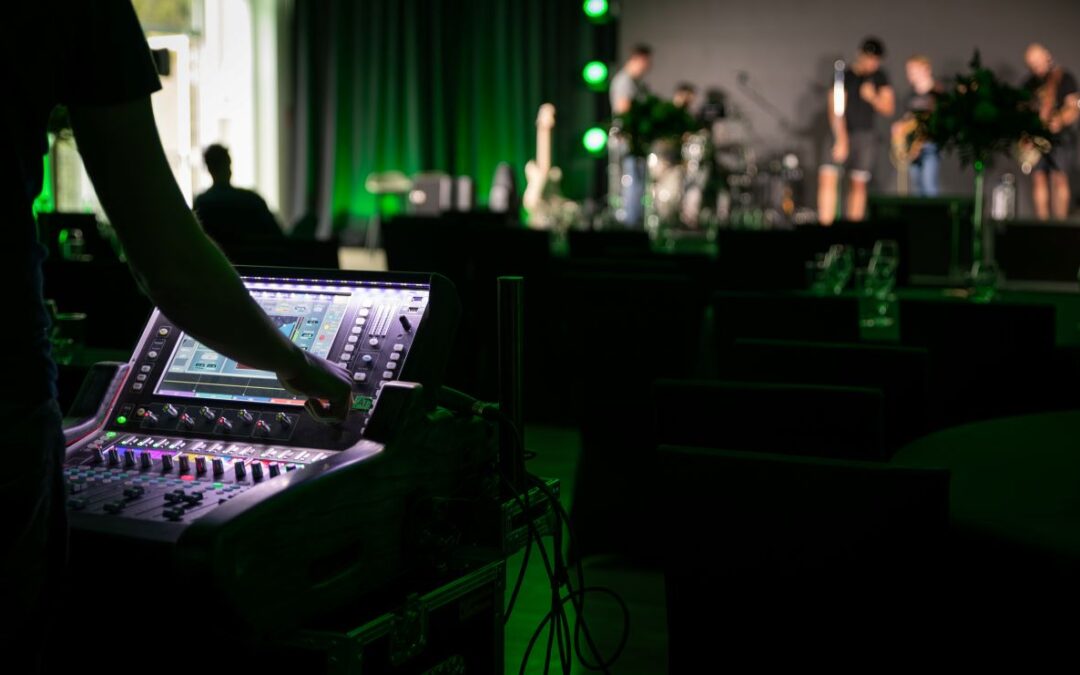
Digital mixing consoles, such as those from DiGiCo, Avid, and Yamaha, changed everything. These boards could store settings for each song, making it easy to switch between acts or remember the perfect mix. Engineers could use dozens or even hundreds of channels, handling every instrument, vocal, and effect.
Every channel now came with its own studio-quality EQ, compression, gates, and effects. This allowed for much more precise control over the sound, letting engineers craft mixes that were balanced and exciting for every song.
Line Array PA Systems: Sound for Every Seat
The arrival of line array PA systems solved a major problem. By stacking multiple speaker cabinets in a vertical line, sound could be projected evenly across the audience. This made it possible for everyone, from the front row to the very back, to hear the show just as clearly. The days of “sweet spots” and “dead zones” were finally over.
Advanced System Tuning: The Science of Sound
Today’s sound engineers use measurement microphones and advanced software like SMAART to analyze the acoustics of each venue. This allows them to fine-tune the system before the audience arrives, adjusting for room size, shape, and materials. The result is a tailored listening experience, designed for each unique space.
The Great Divide: House Mix vs. Foldback (Monitor) Mix
Modern live shows involve more than just a single mix for the audience. There are two very different mixes happening at every performance, each with its own purpose and challenges.
The House Mix (Front of House)
This is the sound the audience hears. The Front of House engineer works to create a mix that feels balanced, powerful, and emotionally charged. They must adjust for the acoustics of the room, the noise of the crowd, and the dynamics of the music. Their mix is about making the entire performance come alive for every fan.
The Foldback Mix (Monitors)
On stage, performers need to hear themselves and each other clearly. In earlier times, wedge monitors were placed on the floor, blasting sound back toward the band. This setup often caused feedback issues and produced a muddy sound, with most bands having to share just one or two monitor mixes.
How In-Ear Monitors Revolutionized Live Performance
Today, in-ear monitors (IEMs) have changed everything. Performers wear custom-molded earpieces, which block out stage noise and deliver a mix tailored just for them. Drummers can get more click track, singers can boost their vocals, and each musician can control their own balance. IEMs protect hearing, reduce onstage noise, and give artists the freedom to move wherever they want.
The split between house mix and foldback mix means the audience hears a stunning performance, while the artists can perform confidently, knowing exactly what they are playing and singing.
The Camera Doesn’t Lie: Why Old Concert Films Sound the Way They Do
When you watch a classic concert film like Live Aid from 1985, it sounds very different from something like Beyoncé’s Homecoming at Coachella. This is not just about taste; it comes down to how the sound was captured and produced.
Live Aid and Classic Recordings: Raw and Real
Audio for these older films usually came straight from the Front of House mix or a few room microphones. These mixes were meant for the stadium, not for television. As a result, the recordings could sound thin, harsh, or unbalanced. Mistakes and missed notes were part of the experience, and there was little or no editing after the show.
Beyoncé’s Homecoming and Modern Concert Films: Studio-Grade Sound
Modern concerts use digital consoles that can record every microphone and instrument separately. After the show, engineers bring all these tracks into a studio and mix them again, just for the video release. They can fix small mistakes, rebalance the sound, add effects, and even sweeten the crowd noise for extra excitement.
Instead of a simple live recording, today’s concert films deliver a soundtrack that is both authentic and polished, letting viewers feel like they are right there in the crowd with perfect sound.
The Sound Engineer as Artist
The transition from analog gear to digital tools has turned sound engineers into true creative partners. Today, these professionals shape the mood and energy of every show. Their choices about EQ, compression, effects, and balance help tell the story of each performance.
Looking Ahead
The future of live sound mixing is already taking shape. Spatial audio, such as Dolby Atmos, lets engineers move sounds around the room in three dimensions, creating even more immersive concerts. In-ear monitors are becoming smarter and more comfortable. Some companies are experimenting with artificial intelligence to help with the most challenging parts of mixing.
What matters most is still the connection between artist and audience. The tools are more powerful than ever, but the goal remains the same: to bring people together through music, making every show an unforgettable experience.
How to Start a Career as a Live Event Producer
Musicians Institute offers an in-depth, well rounded certification program for Live Event Music Production. Designed for aspiring event producers, the program gives students an opportunity to work with professional equipment and learn from top industry experts.
Classes are available online with flexible 10-week or one-year program options. Contact us to learn more about the LMEP program.