
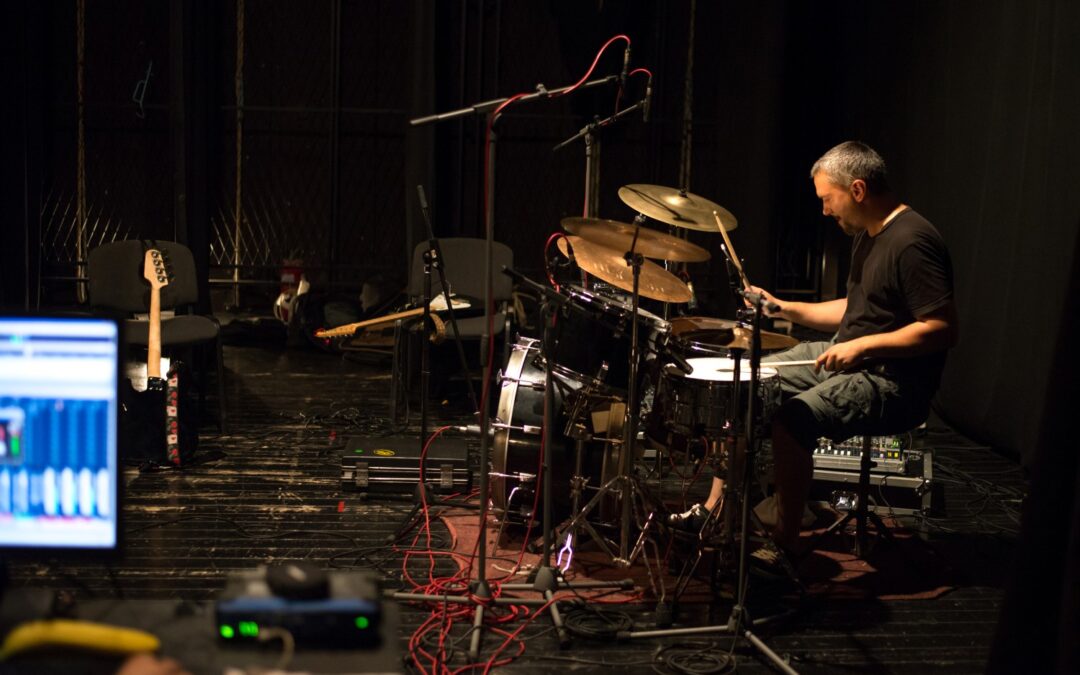
A great beat can elevate almost any track. Whether you are crafting a raw indie rock anthem or producing an electronic dance banger, the choice of drums can define the energy, groove, and emotional impact of your music. The ongoing debate between the warmth of live drums, the precision of drum machines, and the creativity of hybrid drumming ultimately reveals less about the tools themselves and more about evolving tastes as new genres come and go.
In this in-depth guide, we will explore the unique characteristics of live acoustic drums, delve into the digital world of drum programming, and reveal how hybrid drumming combines the best of both worlds. Our percussion production experts share insights, technical tips, and creative strategies to help you make the right choice for your next session.
The Organic Power of Live Drums in the Studio
The Sonic Signature of Live Drums
Nothing compares to the sound and feel of a well-recorded acoustic drum kit. Live drums offer natural acoustic properties that are almost impossible to duplicate with samples or software. Each hit on the snare, every rumble of the kick, and the shimmer of the cymbals produce complex harmonic overtones. These interactions between drum, stick, room, and microphone create a rich, evolving sound that breathes with life.
Room interaction adds another layer. The size, shape, and treatment of a recording space deeply influence the character of drum recordings. Natural ambience gives depth, while subtle variations and imperfections introduced by human hands bring a warmth that feels alive. The “human element” includes micro-timing variations and unique articulations that make every take special.

Blog Post
"*" indicates required fields
By submitting this form, I authorize Musicians Institute (MI) to make or allow the placement of calls, emails, and texts to me at the phone number that I have provided, including through the use of automated technology, or a prerecorded or artificial voice. I understand that I am not required to provide my phone number as a condition of purchasing any property, goods, or services. I agree to the terms of MI’s Privacy Policy. MI will not sell or rent your information to third parties, and you may unsubscribe at any time.
Dynamic Response and Expressiveness
Live drummers can deliver a wide dynamic range. The velocity sensitivity of acoustic drums allows for expressive playing from thunderous fills to the softest ghost notes. A real performance can build tension and release, punctuate transitions, and convey emotion in ways programmed drums sometimes struggle to replicate. Techniques like ghost notes, rim clicks, and subtle hi-hat work add nuance to a groove, keeping the rhythm engaging and fluid.
Studio Setup Considerations
A great drum sound begins with the musician and their kit. Both the quality of the drummer and the quality of the drums play crucial roles. Tuning, maintenance, and selecting the right kit for your genre set the stage for a successful session.
The acoustic environment is equally important. Factors like room size, wall treatment, and the choice of microphones can shape the final sound. Techniques like overhead and room mic placement, close miking, and careful attention to phase coherence are essential. Students at MI study and deconstruct classic albums in class. Instructors break down fundamental production elements, including drum sounds, to teach students how legendary producers achieved their results.
Technical Challenges and Solutions
Recording live drums can be technically demanding. Phase issues between microphones can thin out the sound, while bleed between mics makes isolation challenging. Acoustic leakage, editing, and comping multiple takes require skill and patience. Finding the right balance during production and mixing is equally important. Over-editing a live recording can end up stripping the sound of its character, while leaving it untouched can make it sound sloppy in comparison to other portions of the recording.
Despite these challenges, live drums are often chosen for genres where organic feel and human performance are vital (think rock, jazz, blues, and folk). If you have ample studio time, a capable drummer, and want to capture those “magic” moments, live drums are hard to beat.
The Precision of Drum Machines and Programmed Drums
The Sonic Characteristics of Drum Machines
Drum machines and programmed drums have shaped the sound of contemporary music. Their appeal lies in their consistency and precision. Every hit lands perfectly on the grid, and sounds are repeatable across takes and projects. You have surgical control over every detail, from the pitch and envelope of a snare to the subtle swing of a hi-hat.
Over the decades, drum machine sounds have evolved. From the gritty analog tones of the Roland TR-808 to the crisp samples found in modern plugins, producers have an enormous palette at their disposal. Musicians Institute teaches students how to shape, layer, and process drum sounds to fit any production style.
Sound Design Possibilities
Drum programming opens up creative possibilities that acoustic drums cannot always deliver. You can blend synthesized sounds with sampled hits, process layers with distortion, reverb, or gating, and create rhythms that are physically impossible for a human drummer to play.
The library of sounds available today is staggering. Virtual instruments, DAW-native samplers, and third-party plugins let you craft everything from vintage hip-hop to futuristic EDM.
Programming Techniques for Realism and Creativity
Even though programmed drums are naturally precise, modern producers often want to inject a sense of realism. Techniques like velocity variation, timing randomization, and ghost note programming add subtle imperfection. Complex rhythm programming, pattern variations, and genre-specific grooves push creativity further.
Not every genre calls for a humanized sound, however. Many electronic genres lean into the perfectly gridded, robotic feel of programmed drums. This is still a valid creative choice and creates a powerful statement in itself.
Modern Tools and Workflows
One advantage of drum programming is efficiency. You can create, recall, and revise drum parts in minutes. Software like Ableton Live, Logic Pro, or FL Studio integrates tightly with hardware and plugins, while online collaboration and file sharing make remote production easy.
When time and budget are tight or when absolute precision is required, drum machines are often the best choice. Electronic, pop, hip-hop, and urban genres have embraced drum programming as a foundation.
Hybrid Drumming: The Best of Both Worlds
What is Hybrid Drumming?
Hybrid drumming is the art of combining acoustic and electronic percussion elements. This approach first emerged in the 1980s, as artists began blending drum machines with live kits to achieve unique textures. Today, hybrid setups are standard across genres, from pop to metal to experimental music.
Technical Implementation
Layering is a core technique in hybrid drumming. You might reinforce a live snare with an electronic sample, blend kick drum triggers with synthesized sub-bass, or combine natural hi-hats with digital percussion.
The key is aligning phase and dynamics so the layers enhance rather than cancel each other. A vital step when layering is to check the phase alignment of your sounds, particularly on kick and snare. Use your DAW’s phase inversion tool to ensure the layered waveforms are reinforcing each other.
Electronic integration involves using drum triggers, MIDI controllers, and software samplers. Drummers can trigger samples in real-time or producers can blend programmed parts with recorded tracks. Effects processing, parallel chains, and automation further expand creative options.
Creative Applications
Hybrid drumming unlocks genre fusion possibilities. You can add futuristic flair to organic recordings or bring human feel into electronic tracks. Producers can invent entirely new genres by mixing techniques and sounds from different worlds.
Live performances benefit, too. Hybrid kits allow for dynamic, exciting shows where drummers control samples, loops, and effects on the fly.
Choosing Your Approach: Practical Decision Framework
Project Analysis Factors
When deciding on a percussion approach, consider the style of music you are creating. Some genres favor tradition and expect acoustic drums, while others embrace innovation and electronic sounds. Audience expectations and current market standards can help guide your decision.
Budget and timeline are practical realities. Recording live drums takes more time, equipment, and skilled personnel, while programming is often faster and more cost-effective. Access to studios, microphones, and musicians may also limit your options. One of the key benefits of attending Musicians Institute Hollywood is being able to use to our on-campus recording and performing facilities. Students have access to fully equipped professional recording studios, practice facilities, and concert halls.
Implementation Strategies
For projects on a budget, mixing programmed drums with a few live percussion overdubs can create a rich, convincing sound. MI teaches three tiers of production solutions, showing how to maximize creativity with limited resources.
Time-efficient workflows rely on parallel processing, smart template use, and organized sessions. A rapid percussion production system lets you move from concept to finished track efficiently, while keeping quality high.
Advanced Drumming Techniques and Recording Trends to Watch
Cutting-Edge Approaches
Technology is changing the way producers work with drums. Artificial intelligence now assists with drum programming, offering intelligent humanization and creative suggestion tools.
Immersive audio is another frontier. Mixing drums in 3D audio or placing percussion in a Dolby Atmos environment adds depth and excitement to studio productions.
Finding Your Perfect Percussion Balance
The best percussion choices are always intentional. Each project brings its own needs, constraints, and creative opportunities. By experimenting with live drums, programmed beats, and hybrid techniques, you develop a unique style that reflects your artistic vision.
Understanding the strengths and challenges of each approach empowers you to serve the song, not just the technology. At Musicians Institute, we encourage all producers to master these tools and trust their musical instincts.
Start Your Career Today at Musicians Institute in Hollywood
Explore MI’s Music Production Degree Programs to deepen your studio skills. Students get access to professional studios to apply these techniques in real-world settings.
Join us during a weekly campus tour or our next open house event to meet our expert faculty and learn how MI helps students prepare for a career in music.